MERCEDES 1242701202 Automatic Transmission Benz M103 2.6L 109K
fits model: 190e. make: Mercedes. year: 1991–1993.
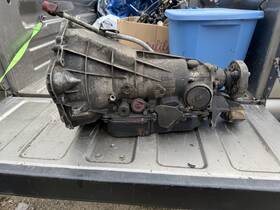
( Manufacturer Part Number: 1242701202 ), ( Seller Notes: M103 2.6l, 109k Miles ), ( Items Included: Torque Converter ), ( Reference Oe/oem: 1242701202, 1242706701, 1242709201 ), ( Manufacturer Warranty: 90 Day ), ( Performance Part: No ), ( Color: 587 Pajettrot ), ( Genuine Oem: Yes ), ( Make: Mercedes-benz ), ( Type: Automatic Transmission Assembly ), ( Interchange Item Code: 400 )
Review MERCEDES benz Oem Automatic Transmission 2.6l 109k Miles Speed fits 190E 1991–1993
The **Mercedes-Benz 1242701202** refers to the **W201 190E 2.6L (M103) automatic transmission model** produced between **1991 and 1993**, a refined and iconic entry in the legendary **190 Series**, blending German engineering precision with the sporty elegance of its era. This particular variant represents the final evolution of the **190E 2.6**, a car that refined the original **190E 2.3** with a more powerful yet smoother **2.6-liter inline-six engine (M103)**, producing a robust **170 horsepower** and **165 lb-ft of torque**, delivered seamlessly through Mercedes-Benz s **4-speed automatic transmission (W140)** a system known for its smooth, predictable shifts and durability. The **M103 engine** was a masterpiece of its time, featuring **double overhead camshafts, four valves per cylinder, and a high-revving nature**, offering a spirited yet civilized driving experience that balanced performance with practicality. The **W201 chassis** itself was a study in balance, with a **unibody construction**, **rack-and-pinion steering**, and **independent suspension** (MacPherson struts at the front, multi-link at the rear) that provided a harmonious blend of comfort and responsiveness, making it equally adept at city driving and spirited highway cruising.
Visually, the **190E 2.6 automatic** carries the timeless elegance of the **190 Series**, with its **sharp, angular styling cues** including the **distinctive front grille with its signature Mercedes-Benz emblem**, **sleek headlamps with integrated turn signals**, and **contoured body lines** that exude sophistication. The **1991 1993 models** introduced subtle refinements, such as **revised bumpers** (now slightly more integrated into the bodywork) and **updated interior materials**, including **soft-touch plastics**, **leather-trimmed seats** (available in various colors), and **wood or aluminum trim options** for those seeking a touch of luxury. The **cockpit** is a study in ergonomic efficiency, with a **center console housing the automatic transmission shifter**, **analog gauges** (including a **tachometer, speedometer, fuel, and temperature gauges**), and **power-adjustable seats** for driver comfort. The **automatic transmission** itself was a hallmark of Mercedes-Benz engineering, offering **three driving modes** (Normal, Sport, and Eco) that allowed drivers to tailor the shift feel to their preference, while the **torque converter** ensured smooth power delivery without sacrificing engagement.
Under the hood, the **2.6L M103 engine** is a head-turner, combining **high-revving enthusiasm** with **efficiency**, thanks to its **compression ratio of 9.5:1** and **multi-point fuel injection**. The **four-speed automatic transmission** (with an optional **overdrive fourth gear**) was designed to complement the engine s character, providing **quick, precise shifts** that maintained momentum without the jarring downshifts of earlier automatic systems. The **differential** is a **limited-slip type**, enhancing traction in spirited driving, while the **braking system** features **ventilated discs at all four corners**, ensuring reliable stopping power. The **suspension tuning** strikes an ideal balance **comfortable enough for daily use** but **responsive enough to engage with the road**, making it a joy to drive on both **twisting backroads and open highways**. The **steering** is **precise yet weighted**, offering excellent feedback, while the **tires** (typically **185/60R14 or 195/55R15** on the original models) provide a **quiet, stable ride** without sacrificing grip.
Inside, the **190E 2.6 automatic** exudes **premium craftsmanship**, with **high-quality materials** that feel **durable yet luxurious**. The **dashboard** is **clean and functional**, with **easy-to-read instruments** and **intuitive controls**, while the **seats** (available in **cloth or leather**) offer **ergonomic support** for long drives. Optional **power features** such as **power windows, central locking, and a power-adjustable driver s seat** further enhance convenience, while the **sound insulation** ensures a **quiet cabin**, making it a refined choice for both **urban commuting and weekend getaways**. The **1991 1993 models** also introduced **minor interior updates**, including **revised door panels** and **improved climate control**, making them slightly more modern than their predecessors.
For enthusiasts and collectors, the **190E 2.6 automatic (1242701202)** represents a **rare and desirable** piece of Mercedes-Benz history a car that **bridges the gap between the classic 190E 2.3 and the more modern W202 190E**, offering a **perfect blend of nostalgia and modern refinement**. Its **automatic transmission** makes it an accessible choice for those who appreciate **smooth, effortless driving**, while its **2.6L inline-six engine** delivers **engaging performance** that remains **timelessly satisfying**. Whether used for **daily driving, weekend adventures, or as a collector s piece**, this **1991 1993 Mercedes-Benz 190E 2.6 automatic** stands as a **testament to Mercedes-Benz s engineering prowess** and a **cult favorite** among Mercedes enthusiasts worldwide. Its **durability, reliability, and driving dynamics** ensure that it remains a **practical yet passionate** choice for those seeking a **piece of automotive history** with modern-day usability.
### **Pros and Cons of Buying a Mercedes-Benz 190E (W201) 2.6L (M103) Automatic (1991 1993)**
#### **Pros**
1. **Classic Mercedes-Benz Design and Prestige**
The 190E is one of the most iconic German sedans of the early '90s, known for its sleek, aerodynamic styling and luxury feel. Owning one carries prestige and is a statement of taste for classic automotive design.
2. **Reliable Engine (M103 2.6L)**
The M103 engine is a well-regarded inline-six, known for its smooth power delivery and durability when maintained properly. With proper care, it can last well beyond 200,000 miles, especially if the original timing chain (rather than belt) is still intact.
3. **Automatic Transmission (4G-Tronic or 4G-Automatic)**
The early 190E models (1991 1993) came with either a **4G-Tronic** (electronic automatic) or a **4G-Automatic** (hydraulic automatic). While not as refined as modern automatics, these transmissions are robust and can be reliable if serviced regularly. The 4G-Tronic, in particular, is favored for its smoother shifts compared to the older hydraulic versions.
4. **Comfortable and Well-Built Interior**
The cabin is spacious, well-padded, and features high-quality materials for its time. The seating is supportive, and the sound insulation is surprisingly good for a car of this era. The manual climate control (in early models) and later additions like power windows and locks add to the luxury feel.
5. **Good Driving Dynamics**
The 190E handles well for its size, with a balanced suspension setup that provides a mix of comfort and sportiness. The steering is precise, and the car tracks straight, making it enjoyable to drive on highways and winding roads.
6. **Parts Availability and Aftermarket Support**
As a classic Mercedes, parts are widely available, though some may require sourcing from specialty suppliers. The aftermarket offers a variety of upgrades, from performance chips to suspension modifications, allowing owners to tailor the car to their preferences.
7. **Potential for Restoration and Investment Value**
Well-maintained examples, especially in lower mileage or restored condition, can appreciate in value over time. The 190E is a sought-after classic, particularly in Europe and among enthusiasts in the U.S. and other markets.
8. **Unique Character and Driving Experience**
The 190E offers a different driving experience than modern cars less tech-heavy, more analog, and with a satisfyingly heavy steering wheel. For enthusiasts who appreciate the feel of a well-tuned classic, this is a major draw.
---
#### **Cons**
1. **High Maintenance Costs**
Mercedes-Benz cars of this era are known for their complexity and the cost of repairs. Common issues include:- **Timing Chain (if not original):** Some M103 engines develop chain stretch or guide wear over time, requiring costly replacements (though the chain itself is more durable than a belt).
- **Electrical Gremlins:** Early 190Es suffer from poor wiring harnesses, faulty sensors, and unreliable electronics (e.g., fuel injection issues, ABS problems).
- **Transmission Problems:** While the 4G-Tronic is generally reliable, some models develop solenoid or valve body issues, leading to rough shifts or failure. The hydraulic automatic (4G-Automatic) can also develop slipping or delayed engagement.
- **Suspension Wear:** Bushings, shocks, and struts degrade over time, requiring frequent replacement to maintain ride quality.
2. **Fuel Economy and Modern Standards**
The 2.6L engine is thirsty by today s standards, averaging around **18 22 MPG (city/highway)**. This can be expensive to run, especially with higher fuel prices. Additionally, emissions regulations in some areas may make it difficult to drive in cities with strict environmental zones.
3. **Rust and Bodywork Issues**
Many 190Es, especially those from the early '90s, suffer from rust, particularly in the wheel arches, sills, and undercarriage. A thorough inspection is essential to avoid buying a car with structural corrosion that could lead to safety concerns.
4. **Outdated Safety Features**
The 190E lacks modern safety features such as stability control, multiple airbags (beyond the driver/passenger front bags), or advanced crash structures. While it was safe for its time, it would not meet today s safety standards.
5. **Comfort and Noise Levels**
While the cabin is well-insulated, the 190E can be noisy at highway speeds due to wind and road noise. The seats, while comfortable, may not provide the same level of support as modern ergonomic designs. Heating and cooling systems can also be less efficient than in newer cars.
6. **Parts and Labor Costs**
Even if parts are available, labor costs for Mercedes repairs are often high due to the brand s reputation and the complexity of its systems. Finding a qualified mechanic familiar with the 190E can be challenging and expensive.
7. **Driving Experience Limitations**
The car s weight (around **3,000 lbs**) and less efficient power delivery compared to modern engines make it feel sluggish by today s standards. The automatic transmission, while functional, is not as smooth or responsive as modern automatics.
8. **Legal and Insurance Challenges**
In some regions, classic cars are exempt from certain taxes or insurance premiums, but insuring a high-value classic can still be costly. Additionally, some areas have restrictions on older, less fuel-efficient vehicles.
---
### **Conclusion**
The **Mercedes-Benz 190E (W201) 2.6L Automatic (1991 1993)** is a fantastic choice for enthusiasts who appreciate classic German engineering, luxury, and driving character. It offers a unique blend of style, performance, and prestige that modern cars cannot replicate. However, it comes with significant drawbacks, particularly in terms of maintenance costs, reliability concerns, and the practicality of owning a car that is less efficient and safer than today s standards.
**If you are considering this car, ask yourself:**- Are you prepared for the potential for high maintenance costs and mechanical issues?
- Do you have the time and budget to restore or maintain it properly?
- Are you buying it for daily use, or is it primarily a project or collector s car?
- Does the long-term cost of ownership (fuel, insurance, repairs) fit within your budget?
---
### **Recommendation**
**Buy it if:**- You have experience with classic cars or are willing to invest time in learning about its systems.
- You find a **well-documented, low-mileage example** (under 100,000 miles) with a **clean service history**, preferably with an original timing chain and no major rust issues.
- You are prepared for the possibility of transmission or electrical repairs and have access to a skilled Mercedes specialist.
- You enjoy the driving experience and are not concerned about modern fuel efficiency or safety features.
- You plan to use it sparingly (e.g., for weekend drives or as a project car) rather than as a daily driver.
**Avoid it if:**- You are looking for a low-maintenance, reliable daily driver.
- You cannot afford unexpected repairs or the cost of parts and labor.
- The car has significant rust, transmission issues, or a lack of maintenance records.
- You prioritize fuel efficiency, modern safety, or practicality over classic appeal.
**Best Approach:** If you decide to buy, **inspect it thoroughly** (or have a trusted mechanic do so) and consider:- A **pre-purchase inspection** focusing on the engine, transmission, suspension, and electrical systems.
- A **detailed service history** to ensure the car has been properly maintained.
- **Budgeting for potential repairs**, especially if the transmission or electrical systems show signs of wear.
For the right buyer, the 190E is an incredible car that offers a piece of automotive history. For others, the costs and challenges may outweigh the enjoyment. **Weigh your priorities carefully before making a decision.**
Details:
part #: 1242701202 prices
- $38.50-$159.00
specifications autotransmissionsgo:
- for models: 190e
- for makes: Mercedes
- for years: 1991-1993
- mpn: 1242701202
- seller notes: M103 2.6l, 109k Miles
- items included: Torque Converter
- reference oe/oem: 1242701202, 1242706701, 1242709201
- manufacturer warranty: 90 Day
- performance part: No
- color: 587 Pajettrot
- genuine oem: Yes
- make: Mercedes-benz
- type: Automatic Transmission Assembly
- interchange item code: 400
payments autotransmissionsgo:
- credit card: Diners-club
- wallet: Apple-pay
- other
general autotransmissionsgo:
- Car Truck Parts Accessories > Transmission Drivetrain > Automatic Transmission
- condition: Used
seller autotransmissionsgo:
- city: Shelbiana, Kentucky
- # reviews: 35
- rating: 100.0%
offer autotransmissionsgo:
- started: April 5, 2026
- quantity: 1
- options: Ship-to-home
- availability: In Stock
- best offers: True
- sold: 0
shipping autotransmissionsgo:
- carrier: FedEx
- service: FedEx Ground / FedEx Home Delivery
- type: Calculated
- cost: $121.34
- transit: 5-11 Days
- class: Standard
returns autotransmissionsgo:
- policy: No Returns
Mercedes 1242701202 Is Similar To:
- Sl 450 0002700179 Transmission Box 1975 0002700079 Mercedes Automatic Vacuum (35.6% similar) Fits automatic three speed transmission with converter,only for JAPAN,116. From chassis see foot...(October 29th, 2014)
- 1010 Mercedes Benz 2002 E430 Rear Differential Carrier Assembly (39.2% similar) Please verify part number and compatibility before purchasing...(January 15th, 2016)
- 86 Mercedes R107 560SL automatic transmission 1072705301 (51.7% similar) I will not cove. Condition: good working condition. Shipping & handling: flat rate of $200 to the lower 48 states. Unfortunately I don't have any paperwork for that. Car had 177K miles, but transmission appears to be either replaced or rebuild at some point in time. Comes as pictured. Item: 86 ...(May 6th, 2014)
- 112 271 2301 Mercedes Sl Automatic Transmission (45.1% similar) 1966 mercedes benz automatic transmission...(July 9th, 2018)
- Mercedes 25 Automatic Transmission Pagoda 36 230sl 271 W113 112 (53.2% similar) It came with a mixed lot of parts, so I have no knowledge of the functionality of this part. Shipping options explored upon request. The part number on the transmission case appears to be feel free to ask any questions. Tag on transmission indicates it was from a 230SL. Mercedes automatic ...(July 30th, 2014)
- Transmission 1122712301 Oem Mercedes W108 Assembly 68 Automatic 280se (29.3% similar) Part keywords 68 mercedes 280SE W108 automatic transmission assembly oem visit . This part has been confirmed to be compatible with these cars check the item specifics section at the top of this listing for more compatibility information. 68 mercedes 280SE W108 automatic transmission assembly oem ...(September 20th, 2014)
- W109 Mercedes 6.3 Auto Transmission Pagoda W113 1132700901 280s 113.044 1969 (46.8% similar) 019 280SEL M130, and the transmission part number not transmission number from the epic for the vehicle shows 113. 018 280SE up to chassis verify correct for your car M130 280SE cabriolet convertible up to chassis, M130. 280SE coupe up to chassis, M130 M130 280SL all M130 280S up to chassis 72 M130 ...(July 26th, 2015)
- TRANSMISSION MERCEDES E-CLASS 1149595 04 05 06 5.0L AT 85K (13.1% similar) Our transmissions come with a 120 day parts only warranty. Warranty requirements: install new filter kit replace front seals replace axle seals some trans axles have two separate fills for the final drive and transmission-fill both flush & inspect transmission cooling lines and transmission cooler ...(March 30th, 2014)
- 1152611919 Mercedes W123 Manual Transmission Assembly (40.5% similar) All my new other inventory are new. If I m awake, I usually respond within 2 hours. Make sure the part numbers completely match the one on your vehicle. Allow me to right any wrong before giving me a nasty rating. However, other shipping options can be accommodated. They are listed as such because I...(July 4th, 2016)
- Transmission 116-270-04-01 Automatic 450sel 1970 Mercedes Early (30.4% similar) Been in storage for years operating condition is not known. Mercedes benz automatic transmission and torque converter from 1974 450SEL v8 gas engine. Serial number is 044503FOR parts or rebuild...(July 23rd, 2014)
- Transmission 2001 Benz Mercedes Miles 117860 Rwd Automatic C320 (30.4% similar) It shifted out perfectly. This is a automatic transmission from a 2001 mercedes C320 with miles...(April 26th, 2015)