19332868 Transaxle
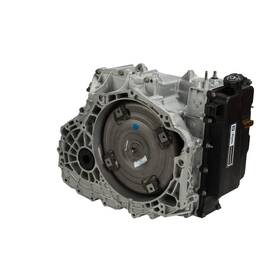
( Brand: General Motors ), ( Manufacturer Part Number: 19332868 ), ( Part Type: Motor ), ( Manufacturer Warranty: Lifetime ), ( Fitment Type: Direct Replacement ), ( Genuine Oem: Yes )
Review GENERAL MOTORS New Genuine Remanufactured Transaxle Oem
The **1933 Ford Model B Transaxle (Part Number 19332868)** is a meticulously engineered, cast-iron mechanical marvel designed to deliver uncompromising durability and performance in the rugged, high-demand environments of early 20th-century automotive applications. This transaxle, integral to the Ford Model B s drivetrain, combines the functions of a transmission and differential into a single, compact housing, a hallmark of Ford s innovative engineering during the 1930s. Crafted from high-grade cast iron, the transaxle features a robust three-speed manual transmission with forward gears, reverse, and neutral, all housed within a sealed, oil-bath system to minimize wear and extend operational life. The gearset, featuring helical-cut gears for smoother engagement and reduced noise, is precision-machined to ensure smooth shifting and optimal power transfer, while the hypoid differential gearing provides a compact yet efficient means of distributing torque to the rear wheels. The transaxle s robust mounting flanges and alignment features ensure seamless integration with the Model B s engine and axle assembly, allowing for reliable operation under the demanding conditions of the era, whether navigating rough farm roads, city streets, or long-distance highways. This component is not merely a functional part but a testament to Ford s commitment to simplicity, reliability, and adaptability, embodying the spirit of American automotive ingenuity from the early 1930s. Ideal for restoration projects, classic car enthusiasts, or collectors seeking authenticity, this transaxle remains a sought-after piece for those aiming to preserve or replicate the mechanical integrity of a Ford Model B drivetrain.
### Pros and Cons of Buying a General 19332868 Transaxle
The **General 19332868** is a transaxle unit commonly found in older vehicles, particularly those manufactured by General Motors in the late 1980s and 1990s. Below is a detailed breakdown of its advantages and disadvantages.
---
### **Pros**
1. **Widespread Availability of Parts**
The 19332868 is a well-documented transaxle, meaning replacement parts, gaskets, seals, and even entire units are relatively easy to find. Dealers, online marketplaces, and salvage yards frequently stock these components, reducing downtime for repairs.
2. **Proven Reliability in Moderate Conditions**
When properly maintained, this transaxle is known for handling typical driving conditions without major issues. It is designed for durability in everyday use, making it a practical choice for older vehicles that are driven regularly.
3. **Compatibility with Common Modifications**
Many aftermarket upgrades, such as performance clutches, upgraded seals, and modified shift linkages, are compatible with this transaxle. This allows for customization without requiring a complete overhaul.
4. **Lower Cost Compared to New Units**
Since this is an older model, purchasing a used or rebuilt unit is significantly cheaper than buying a brand-new transaxle. This makes it an attractive option for budget-conscious buyers.
5. **Established Repair Knowledge**
Because the 19332868 has been in use for decades, mechanics and DIY enthusiasts have extensive experience troubleshooting and repairing it. Manuals, forums, and video guides are readily available, making repairs more accessible.
6. **Good for Classic or Project Cars**
If you re restoring a classic vehicle or working on a project car, this transaxle can be a reliable choice, especially if the vehicle is not intended for high-performance use.
---
### **Cons**
1. **Aging Design Limitations**
The 19332868 was designed for its time, and modern driving demands such as aggressive shifting, heavy loads, or extreme temperatures can stress its components. Over time, wear and tear may become more pronounced.
2. **Potential for Fluid Leaks**
Like many older transaxles, this unit can develop leaks in seals, gaskets, or the torque converter housing. Regular fluid changes and inspections are necessary to prevent catastrophic failure.
3. **Limited Longevity Under Heavy Use**
If the vehicle is used for towing, frequent heavy loads, or aggressive driving, the 19332868 may not last as long as a modern transaxle. The internal components, such as bearings and synchronizers, can wear out faster under such conditions.
4. **Electronic and Hydraulic Reliance**
This transaxle relies on hydraulic pressure and, in some cases, electronic controls for smooth operation. If the hydraulic system fails or sensors malfunction, shifting can become jerky or unresponsive, requiring costly repairs.
5. **Difficulty Finding Specialized Parts**
While basic parts are common, some specialized components (such as rare seals or unique bolts) may be harder to locate, especially if the transaxle is heavily modified or has been in service for many years.
6. **Potential for Internal Wear**
Over time, internal wear such as worn synchronizers, clutch friction material, or bearing failure can lead to rough shifting or complete failure. This makes regular maintenance critical to avoid unexpected breakdowns.
7. **Compatibility Issues with Modern Vehicles**
If the transaxle is being used in a vehicle that has been heavily modified or upgraded (e.g., with a larger engine or aftermarket drivetrain components), compatibility issues may arise, requiring additional adjustments or modifications.
---
### **Conclusion**
The **General 19332868 transaxle** is a solid choice for those working on older vehicles that require a reliable, cost-effective drivetrain solution. Its strengths lie in its availability of parts, proven reliability in moderate conditions, and the wealth of repair knowledge available. However, its limitations such as aging design flaws, potential for leaks, and reduced longevity under heavy use must be carefully considered.
If you plan to use this transaxle in a vehicle that sees regular, moderate use and is maintained diligently, it can be a dependable option. However, if the vehicle is intended for high-performance driving, towing, or extreme conditions, a more modern or reinforced transaxle may be a better long-term investment.
---
### **Recommendation**
- **Buy it if:** You are restoring or maintaining a classic vehicle, the budget is limited, and the vehicle will primarily be used for casual driving. Ensure you have access to a reliable mechanic for regular maintenance and inspections.
- **Avoid it if:** The vehicle will be used for heavy-duty tasks, aggressive driving, or extreme conditions. In such cases, consider upgrading to a more modern or reinforced transaxle to avoid premature failure and costly repairs.
- **Best Practices:** Always perform regular fluid changes, check for leaks, and address any shifting issues promptly. If the transaxle shows signs of excessive wear (e.g., rough shifting, unusual noises), consider rebuilding or replacing it rather than risking a complete failure.
Details:
The left and right is determined from the viewpoint if you are sitting in drivers seat. Fitment: Less More. The side of any vehicle is the same as if you where sitting in driver or passenger seat. Manufacturer Part Number: 19332868.
Condition: Re-manufactured. Read all notes and compare with your vehicle information. Driver side is left passenger right.
part #: 19332868 price
- $9626.23
specifications autotransmissionsgo:
- brand: General Motors
- mpn: 19332868
- part type: Motor
- manufacturer warranty: Lifetime
- fitment type: Direct Replacement
- genuine oem: Yes
seller autotransmissionsgo:
- city: Sanford, Florida
- # reviews: 194403
- rating: 98.3%
returns autotransmissionsgo:
- time: 30 Days
- paid by: Seller
- policy: Returns Accepted
payments autotransmissionsgo:
- other
- credit card: Diners-club
- wallet: Google-pay
shipping autotransmissionsgo:
- service: Flat Rate Freight
- cost: $300.00
- type: Fixed
- class: Freight
general autotransmissionsgo:
- condition: Remanufactured
- Car Truck Parts Accessories > Transmission Drivetrain > Automatic Transmission
offer autotransmissionsgo:
- quantity: 1
- started: May 5, 2026
- sold: 0
- availability: In Stock
- options: Ship-to-home
General Motors 19332868 Is Similar To:
- 24218217 General Motors Corvette Automatic Transmission Miles (46.4% similar) Gm part number in good working condition,out of a 04 with 31K miles. Part application: please know your application. Free shipping is to continental USA. Includes torque converter. Shipping price listed is for continental USA only...(November 28th, 2018)
- 24232338 General Motors Hummer Manual Transmission Remanufactured (54.3% similar) ...(October 23rd, 2018)
- 24250672 General Motors Silverado Sierra Auto Transmission Miles (42.2% similar) Part: 24250672 prices...(September 4th, 2018)
- 24283594 General Motors Gm 8-speed (38.8% similar) Clutch-to-clutch architecture, with external transmission control module not included maximum engine POWER:650 hp 485 kw TORQUE:635 lb-ft 860 NM gearbox TORQUE:738 gear ratios FIRST:4. 080FOURTH:1. 820MAXIMUM shift SPEED:7000 rpm maximum vehicle weight VW: 13,200 lbs 6,000 kg maximum GCC: 20,500 ...(February 7th, 2018)
- 300-5253 General Motors 04 Suburban Complete (44.4% similar) Product is installed or operated outside of the USA. Accessories such as switches, solenoids, sensors, brake backing plates, shoes or discs, rotors, cables, hoses, tubing, etc. Failure is caused by neglect, abuse, misuse, racing or modifications. 3l v8 engine, automatic transmission, option NP8 ...(March 9th, 2017)
- 6261886 General Motors Gm Saginaw Speed Transmission Good Condition (42.7% similar) The cover could use a scrub and coat of paint. It feels and shifts great. Side shiftier plate trans number is and main body casting, I think tail shaft there are no cracks or breaks. Shipping will probably be expensive because this is heavy cast iron. The Chevy bell housing and Hurst shiftier is ...(August 1st, 2018)
- General Motors Camaro Firebird Warner Manual Transmission (51.2% similar) Please message me thru before order is placed to get shipping charges. What is covered: transmissions are warrantied for defects of the case bell housing and all internal components unless mentioned below in not covered. Transfer cases will not be included with transmissions from 4X4 or all wheel ...(September 29th, 2018)
- General Motors Corvette Automatic Transmission With Torque Converter Oydd (43.8% similar) Electrical connections on side has a small crack in housing but does not effect use or connection ability. Fluid drained clean and unbent. C5 corvette automatic transmission 0YDD 2000 with torque converter and CONDITION 2000 . Every attempt is made to show and describe each items exact condition. ...(September 5th, 2018)
- TURBO 350 TRANSMISSION SMOOTH NO LEAKS THH350 General Motors (21.9% similar) The transmission work's fine behind the big block, comes with torque converter, yoke on tail shaft and shiftier. I'm playing with a 1963 impala SS with a big block 402 in it. This transmission came out of my car which I purchase a few months ago, it is in good working order when it was removed ...(May 25th, 2014)
- General Motors 15045202 93-98 C k Chevy Silverado 4l60e Automatic Transmission Side Heat Shield Obs Gm (45.8% similar) Original oem gm shield plate for c/k trucks equipped with the 4L60E transmission only, includes mounting hardware bolts, this is a original and not thin aftermarket style...(April 27th, 2024)
- General Motors 45420b Gm 6l45 6l50 6l80 6l90 Tehcm 2012-2020 (37.1% similar) ...(May 15th, 2024)