TOYOTA 2VW30L-AHXEBA Automatic Transmission 1.8L 4CYL
fits model: Prius. make: Toyota. year: 2010–2015.
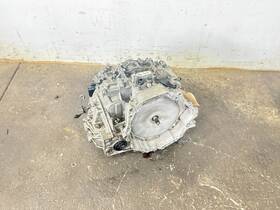
( Manufacturer Part Number: 2VW30L-AHXEBA ), ( Type: Automatic Transmission ), ( Oe/oem Part Number: Zvw30l-ahxeba ), ( Transmission Speeds: Continuously Variable ), ( Vintage Part: No ), ( Country Of Origin: Japan ), ( Placement On Vehicle: Front )
Review TOYOTA 1.8l 4cyl Automatic Transmission Oem fits PRIUS 2010–2015
The **Toyota Prius (2VW30L-AHXEBA) from 2010 to 2015**, powered by a **1.8-liter 4-cylinder hybrid engine (designated as the 2ZR-FXE)**, represents a refined evolution of Toyota s groundbreaking hybrid technology, blending efficiency, innovation, and practicality into a compact yet versatile hatchback. This generation of the Prius, built on the **E12 platform**, retains the signature hybrid powertrain combining a high-efficiency gasoline engine with an electric motor, an advanced **NiMH (Nickel-Metal Hydride) battery pack**, and a sophisticated **CVT (Continuously Variable Transmission)** to deliver an impressive **45 55 combined MPG** (varies by model year and trim), making it one of the most fuel-efficient vehicles on the road. The **1.8L 4-cylinder engine**, paired with a **7-speed automatic transmission**, ensures smooth acceleration while minimizing fuel consumption, thanks to Toyota s **kinetic energy recovery system (KERS)**, which recaptures energy during braking and coasting to recharge the battery. This hybrid system not only enhances efficiency but also reduces emissions, aligning with Toyota s commitment to sustainable mobility.
Mechanically, the **2VW30L-AHXEBA** features a **front-wheel-drive layout** with a **multi-link suspension** tuned for a balanced ride, offering a comfortable yet responsive driving experience on both city streets and highways. The **steering system** is precise and lightweight, while the **braking system** incorporates **ventilated discs up front** and **drum brakes at the rear**, supplemented by an **electronic brakeforce distribution (EBD)** and **brake assist** for improved safety. The **hybrid-specific components**, such as the **inverter** (which controls the electric motor) and the **hybrid-specific transmission**, are robustly engineered to withstand the demands of daily driving while ensuring longevity. Under the hood, the **oil capacity** is typically **4.2 quarts** (with filter change), and the **hybrid battery pack** (located under the rear seats) is designed for durability, though it may require replacement after **100,000 150,000 miles**, depending on usage and maintenance.
Inside, the **2010 2015 Prius** (2VW30L-AHXEBA) offers a **spacious, ergonomic cabin** with a **three-spoke sporty steering wheel**, **power-adjustable seats**, and **heated front seats** (on higher trims), ensuring both comfort and driver engagement. The **infotainment system** evolves slightly across model years, with earlier versions featuring a **4.3-inch touchscreen** (2010 2011) and later iterations introducing a **5-inch display** (2012 2015) with **Bluetooth connectivity**, **auxiliary input**, and **USB compatibility**. The **dashboard** is clean and intuitive, with a **digital speedometer** and **fuel gauge**, while the **hybrid-specific gauges** provide real-time feedback on **battery charge level**, **regenerative braking**, and **hybrid system status**. Safety is prioritized with features like **stability control (VSC)**, **traction control (TRC)**, **anti-lock brakes (ABS)**, and **multiple airbags**, including **side-impact and curtain airbags**, enhancing protection for occupants.
Externally, the **2VW30L-AHXEBA Prius** retains the **iconic aerodynamic design** of its predecessors, with a **sleek, streamlined silhouette**, **LED turn signals** (on later models), and **15-inch alloy wheels** (standard on most trims) that contribute to its efficient aerodynamics. The **body styling** includes **sharp, angular headlights**, a **distinctive grille**, and **low-profile side mirrors**, giving it a modern yet understated appearance. The **interior materials** are a mix of **soft-touch plastics**, **fabric upholstery** (or **leather on higher trims**), and **metallic accents**, striking a balance between affordability and premium feel. Optional packages, such as the **Premium Package** (available in later years), include **16-inch alloy wheels**, a **sunroof**, and **leather-trimmed seats**, adding a touch of luxury without compromising the vehicle s practicality.
Whether used for **daily commuting**, **road trips**, or **urban navigation**, the **2010 2015 Toyota Prius (2VW30L-AHXEBA)** stands out as a **reliable, fuel-efficient, and technologically advanced** choice. Its **hybrid powertrain** ensures **low operating costs**, while its **durable construction** and **Toyota s reputation for longevity** make it a **smart investment** for buyers seeking sustainability without sacrificing performance or comfort. With its **blend of innovation, efficiency, and practicality**, this Prius remains a **standout model** in the hybrid segment, offering a **smooth, quiet, and eco-conscious** driving experience for years to come.
### **Pros and Cons of Buying a Toyota Prius (2010 2015, 1.8L 4-Cylinder, Automatic Transmission)**
#### **Pros:**1. **Fuel Efficiency** The Prius is renowned for its hybrid system, delivering **40 50 MPG combined** in city and highway driving, significantly better than most conventional vehicles of the era. This makes it cost-effective for daily commuting and long-distance travel.
2. **Reliability** Toyota s hybrid systems are well-engineered and durable. The **1.8L engine and hybrid battery** in these models are known for longevity, especially when maintained properly. Many early Prius hybrids last **200,000 miles** with minimal major issues.
3. **Low Operating Costs** Beyond fuel savings, maintenance costs are generally lower than gas-only vehicles. The hybrid system reduces wear on the engine and transmission, leading to fewer repairs over time.
4. **Resale Value** Toyota Prius models hold their value well compared to many competitors, making them a smart long-term investment if you plan to sell later.
5. **Environmental Benefits** The Prius produces fewer emissions than comparable gas cars, which is appealing for eco-conscious buyers.
6. **Smooth and Efficient Driving Experience** The hybrid system provides **quiet, responsive acceleration** with minimal vibration, making it comfortable for daily use.
7. **Available Safety Features** Depending on the trim, these models may include **stability control, anti-lock brakes, and side airbags**, which were standard or optional in the 2010 2015 lineup.
8. **Low Insurance Costs** Due to their safety record and fuel efficiency, Prius insurance premiums are often lower than for sportier or larger vehicles.
---
#### **Cons:**1. **Hybrid Battery Degradation** The **NiMH (Nickel-Metal Hydride) battery** in these early Prius models can degrade over time, typically lasting **10 15 years or 100,000 150,000 miles**. Replacement costs **$2,000 $4,000**, which can be a significant expense if the battery fails prematurely.
2. **Limited Power and Performance** The **1.8L engine is underpowered** compared to modern hybrids or gas-only vehicles. Acceleration is **slower than a V6 or turbocharged car**, and towing capacity is minimal (if any).
3. **Higher Upfront Cost (Used Market)** While not as expensive as new hybrids, a well-maintained 2010 2015 Prius in good condition can still cost **$10,000 $18,000**, depending on mileage and condition.
4. **Depreciation** While Prius resale values are strong, they still depreciate over time. If you plan to keep the car long-term, this may not be an issue, but it s worth considering if you expect to upgrade soon.
5. **Maintenance Considerations** Some owners report **unusual noises from the hybrid system** (e.g., whining from the motor or battery cooling fans), which may require diagnostic work. Regular **battery health checks** are recommended.
6. **Limited Cargo Space** The Prius has a **small trunk** (about **12.6 cu. ft.**) compared to sedans like the Camry, making it less practical for large purchases or road trips with extra gear.
7. **Potential Electrical Issues** Early hybrids can develop **electrical gremlins**, such as sensor failures or wiring problems, which may require professional diagnosis.
8. **Resale Market Competition** While Prius demand is strong, you may find **better deals on other Toyota hybrids** (e.g., Camry Hybrid, Corolla Hybrid) or even **non-hybrid Toyotas** if you prioritize power over efficiency.
---
### **Recommendation**
The **2010 2015 Toyota Prius (1.8L hybrid)** is a **strong choice for buyers who prioritize fuel efficiency, reliability, and low operating costs** over performance or cargo space. It is particularly well-suited for:
- **Daily commuters** (especially in urban areas with high gas prices).
- **Long-term owners** who can budget for potential battery replacement.
- **Eco-conscious drivers** who want a practical, low-emission vehicle.
However, if you need **more power, space, or modern features**, alternatives like the **Toyota Camry Hybrid, Honda Insight, or even a well-maintained non-hybrid sedan** may be worth considering.
#### **Recommendation:** - **Buy if:**- You drive **mostly in the city** and want **maximum fuel savings**.
- You can **afford a battery replacement** if needed (or verify the battery s health before purchase).
- You prefer **Toyota s reliability** over sportier or more powerful vehicles.
- You re okay with **slower acceleration and limited cargo space**.
- **Avoid if:**- You **need a vehicle for towing or heavy loads**.
- You **prefer a more powerful or modern driving experience**.
- You **cannot budget for a potential $2,000 $4,000 battery replacement** in the future.
- You **prioritize cargo space** over fuel efficiency.
**Final Verdict:** The **2010 2015 Prius is a smart buy for the right buyer** one who values efficiency, longevity, and cost savings over performance. Always **inspect the battery health, test drive for unusual noises, and check maintenance records** before purchasing. If well-maintained, it remains a **reliable and economical choice** for many years.
Details:
2015 TOYOTA PRIUS TWO 144k miles FWD Color silver engine 1.8 electric and gas hybrid.
part #: 2vw30l prices
- $300.00-$349.99
specifications autotransmissionsgo:
- for models: Prius
- for makes: Toyota
- for years: 2010-2015
- mpn: 2vw30l-ahxeba
- type: Automatic Transmission
- oe/oem part number: Zvw30l-ahxeba
- transmission speeds: Continuously Variable
- vintage part: No
- country of origin: Japan
- placement on vehicle: Front
offer autotransmissionsgo:
- best offers: True
- availability: In Stock
- started: June 4, 2026
- sold: 0
- quantity: 1
- options: Ship-to-home
shipping autotransmissionsgo:
- service: Flat Rate Freight
- cost: $200.00
- type: Fixed
- class: Freight
payments autotransmissionsgo:
- credit card: Visa
- wallet: Apple-pay
- other
seller autotransmissionsgo:
- city: Cleveland, Ohio
- rating: 99.5%
- # reviews: 3605
general autotransmissionsgo:
- Car Truck Parts Accessories > Transmission Drivetrain > Automatic Transmission
- condition: Used
returns autotransmissionsgo:
- paid by: Buyer
- time: 30 Days
- policy: Returns Accepted
Toyota 2VW30L Is Similar To:
- 01 02 Toyota Corolla Automatic (38.1% similar) Replace oil pan gasket and rear main seal. This engine comes with a 90 day part only warranty. Engines are guaranteed against knocking and excessive smoking. Replace thermostat gasket. If needed replace timing gears, chains or belts gaskets. Pre-installation requirements: replace all seals. Install ...(September 2nd, 2017)
- 02a-u241e Toyota Solara Se Cyl Automatic Transmission Code Oem (59.9% similar) How SCLNK0 Lt...(July 20th, 2018)
- 03-55 Toyota Automatic Transmission (52.7% similar) Sold as is, feel free to ask any questions. Raisin-Warner automatic transmission Borg-Warner japan from a 1970 S well-maintained toyota 20R pickup that was wrecked by the nephew. Exact mileage unknown though no visible leaks or damage. Included is the flywheel that fits 20R and a console mounted ...(July 26th, 2018)
- 03-71le Toyota Oem Cressida Automatic Transmission At Auto (52.6% similar) Instrument gauge clusters speedometers all are considered an electrical item, must be installed by arse certified technician. If you are unsure of what purchasing please conduct your research. And will display common signs of use. Warranty for transmissions applies to the internals and casing only. ...(September 8th, 2018)
- Toyota Prius 04-09 Automatic AT CVT Transmission Assembly 123K Mi 2004 A350 (52.6% similar) A000 is an example of what the stock number looks like. Important note about compatibility: although believed to be accurate, it is there to show the range of years the part will fit. Stock number: most items have a stock number of a donor vehicle, it is usually at the end of the listing title and ...(April 5th, 2014)
- Toyota Fl Runner Transmission 04 04mt129747 05 Automatic 4 06 4.7l (35.5% similar) You are buying on an genuine toyota factory 2005 toyota 4 runner, or Lexus GX470 7 liter v8 engine with less than 50,000 original miles shown below. Part number 04MT129747. 7 liter v 8 automatic transmission that comes in excellent used low mileage condition. Needs nothing and is ready to install...(January 18th, 2015)
- 07 Toyota Solara Automatic Transmission (57.9% similar) If needed replace timing gears, chains or belts gaskets. Pre-installation requirements: drain and replace engine oils to manufacture suggested levels. This engine comes with a 30 day part only warranty. Install new spark plugs wires. Replace oil pan gasket and rear main seal. Align and engage torque...(September 13th, 2017)
- Automatic Fwd 06 100569 Sienna Toyota Transmission 05 04 (35.1% similar) If an item arrives damaged, please within 24 hrs for instructions. 3,AOD,CLEAN fluid,tested this part will fit these makes and model's with these options sienna. N new part manufactured from scratch...(February 1st, 2015)
- Automatic 101890 Transmission 95 Camry 96 94 Toyota (38.1% similar) Read carefully. Electrical parts computers, modules, switches, and sensors do not carry any warranty sold as is. 2,AT this part will fit these makes and model's with these options Camry. If necessary you can call us with your credit card information...(March 3rd, 2015)
- TOYOTA 4RUNNER 1997 4X2 V6 3.4L AUTOMATIC TRANSMISSION ONLY MILES 102788K (12.2% similar) Not included in sale: fluid drained out completely. Note: transmission is little messy in bell housing and lower due to rear main seal leaking on the engine, transmission fluid was drained for shipping purposes. Model: toyota 4RUNNER SR5 year: 1997 mileage: 102788 miles recommends: all external ...(April 2nd, 2014)
- 08 09 10 11 TOYOTA TACOMA AUTOMATIC TRANSMISSION 4X4 6 CYL 1028505 (15.6% similar) ; 4X4 6 cyl Tacoma 11. 0,4X4,85K STD as applicable, transmission computer may require reprogramming this part will fit these makes and model's with these options Tacoma 08-10. For more warranty information please please through...(April 25th, 2014)