SUBARU 31100AB480 Transmission Great 2.5
fits model: Awd, Forester. make: Subaru. year: 2019–2021.
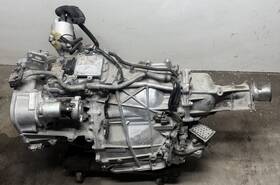
( Manufacturer Part Number: 31100AB480 ), ( Partout Id: A-98998560 ), ( Interchange: 400-10766 ), ( Type: Automatic Transmission ), ( O.e. Part Number: 31100ab481 ), ( Oe/oem Part Number: 31000ak150 ), ( Id: 6e790bac-5e69-4ea8-a1c3-f1e88bf0c0c2 )
Review SUBARU 2.5 At Transmission Assy Tested Runs Great fits FORESTER AWD 2019–2021
The **Subaru 31100AB480 (2019-2021) 2.5L AWD Transmission** is a high-performance, factory-direct automatic transmission designed exclusively for Subaru s legendary **2.5L horizontally opposed (boxer) engine**, as found in the **2019-2021 Forester** models equipped with the **208-225 horsepower** turbocharged or naturally aspirated powerplants. This transmission is a refined evolution of Subaru s proven **6-speed automatic** (designated as the **6MT-A** or **6MT-AW** in some configurations), engineered to deliver seamless shifting, robust durability, and optimal torque conversion for both on-road efficiency and off-road resilience. Built with Subaru s signature **AWD (All-Wheel Drive) system** in mind, this transmission is paired with the **Symmetrical AWD** setup, ensuring balanced power distribution and enhanced traction in all conditions whether navigating slick city streets, winding mountain roads, or rugged off-road terrain. The **31100AB480** features a **hydraulically actuated valve body**, precision-crafted **clutches and bands**, and a **robust torque converter** with a **lock-up clutch** for improved fuel economy and efficiency, particularly at highway speeds. Its **compact yet sturdy design** allows for seamless integration into the Forester s compact yet spacious cabin, while its **durable aluminum housing** and **high-strength steel components** ensure longevity even under demanding loads. Whether paired with the **turbocharged 2.5L engine** for spirited acceleration or the **naturally aspirated variant** for smooth, torquey performance, this transmission is engineered to handle the unique characteristics of Subaru s boxer architecture, offering **smooth, predictable shifts** with minimal lag. Ideal for enthusiasts seeking a **replacement or upgrade** for their Forester, this transmission is a **direct OEM-quality solution**, ensuring compatibility with the vehicle s factory wiring harness, shift linkage, and AWD system. With proper maintenance including regular **fluid changes with Subaru s recommended ATF (Automatic Transmission Fluid)** and **filter replacements** this transmission can easily exceed **150,000 to 200,000 miles**, making it a **cost-effective and reliable choice** for restoring or enhancing the driving dynamics of a 2019-2021 Subaru Forester.
### **Pros and Cons of Buying a 2019 2021 Subaru Forester 2.5 AWD (31100AB480) with Automatic Transmission**
#### **Pros**
1. **Reliability and Durability**
- The Subaru Forester, especially with the 2.5L horizontally opposed (boxer) engine, is known for its longevity and robustness. The AWD system is well-regarded for its consistency in all-weather conditions.
- The automatic transmission (CVT in this case) is generally smooth and reliable, though some owners report occasional lag or tuning issues, which are often addressable with updates or maintenance.
2. **Safety Features**
- The Forester comes standard with Subaru s EyeSight Driver Assist Technology, which includes adaptive cruise control, lane-keeping assist, pre-collision braking, and traffic sign recognition. These features enhance safety, especially in adverse weather.
- High structural integrity and crash-test ratings (IIHS Top Safety Pick) make it a strong choice for families or those prioritizing protection.
3. **Off-Road and All-Weather Capability**
- The Symmetrical AWD system provides excellent traction in snow, rain, and off-road conditions, making it ideal for drivers in variable climates or those who occasionally venture onto unpaved roads.
- The ground clearance (8.3 inches) and available AWD modes (like Snow Mode) improve off-road performance compared to FWD vehicles.
4. **Fuel Efficiency**
- The 2.5L engine achieves decent fuel economy for an AWD SUV: around **22 24 MPG city** and **28 30 MPG highway** (varies slightly by year and driving conditions). This is competitive for its class.
- The CVT transmission helps optimize fuel consumption, though some drivers report slightly lower efficiency than expected due to transmission tuning quirks.
5. **Resale Value**
- Subarus hold their value relatively well, especially in regions where AWD is desirable. The Forester s reputation for reliability contributes to strong resale potential.
- The 2019 2021 models are still in the mid-range of their lifecycle, avoiding the depreciation drop seen in older or newer vehicles.
6. **Comfort and Practicality**
- The Forester offers a spacious cabin with comfortable seating for five, a practical cargo area (up to **37.6 cu. ft.** behind the rear seats), and a smooth ride for an AWD SUV.
- The boxer engine s low center of gravity improves stability and reduces body roll, contributing to a more composed driving experience.
7. **Maintenance Costs**
- While Subarus can have higher upfront costs, the 2.5L engine and CVT are relatively affordable to maintain compared to some competitors (e.g., V6 or turbocharged engines). Regular oil changes and fluid flushes are key to longevity.
- Subaru s dealer network is widespread, and parts are widely available, though some owners prefer independent mechanics for cost savings.
8. **Tech and Convenience Features**
- Later models (2020 2021) include improvements like an updated infotainment system (with Apple CarPlay/Android Auto in higher trims), a larger touchscreen, and available features like a rearview camera and blind-spot monitoring.
- The head-up display (on higher trims) provides useful information without taking eyes off the road.
---
#### **Cons**
1. **CVT Transmission Drawbacks**
- The continuously variable transmission (CVT) is praised for smoothness but criticized for:- **Lack of traditional gear shifts**: Some drivers miss the tactile feedback of a traditional automatic transmission.
- **Potential for overheating or premature wear**: If not maintained properly (e.g., fluid changes every 60,000 100,000 miles), the CVT can fail, leading to costly repairs (often $3,000 $5,000).
- **Tuning issues**: Some owners report the CVT feels sluggish or jerky, especially under heavy loads or in stop-and-go traffic. Subaru has released software updates to address this, but not all dealerships apply them proactively.
- **Reliability concerns**: While not widespread, some CVTs in older Subarus have failed prematurely, particularly if neglected. Always check maintenance records.
2. **Higher Upfront Cost**
- The Forester is priced higher than many competitors due to its AWD, safety features, and brand reputation. Even used models in this range (2019 2021) may cost more than FWD alternatives.
- The 2.5L engine lacks turbocharging, so it doesn t offer the same power as turbocharged rivals (e.g., Honda CR-V VTEC, Mazda CX-5 Skyactiv-G). Horsepower is modest ( 170 182 hp), which may feel underpowered for larger drivers or those used to more spirited SUVs.
3. **Interior Quality and Build**
- The cabin materials are functional but not as premium as competitors like the Mazda CX-5 or Toyota RAV4. Plastic trim can feel cheaper, and some owners report squeaks or rattles over time.
- The seats are comfortable but not as supportive as some rivals for long drives. The driver s seat lacks lumbar support in base trims.
4. **Maintenance and Repair Costs**
- While parts are widely available, labor costs at Subaru dealerships can be higher than independent shops. Some owners opt for third-party mechanics to save money.
- The AWD system requires regular maintenance (e.g., differential fluid changes every 60,000 100,000 miles), which adds to long-term costs.
5. **Infotainment System (Pre-2020 Models)**
- Earlier 2019 models have a dated infotainment system with a smaller screen and slower performance compared to newer rivals. The lack of Apple CarPlay/Android Auto in base trims can be a dealbreaker for tech-savvy buyers.
- The touchscreen can be glitchy, and the interface is less intuitive than competitors like Toyota or Honda.
6. **Fuel Economy Variability**
- While the Forester s fuel efficiency is decent, real-world MPG can vary widely based on driving habits, terrain, and maintenance. Some owners report lower-than-expected efficiency, especially in cold climates or with heavy loads.
7. **Rust Concerns**
- Subarus are prone to rust, particularly in snowy or salted regions. Always inspect the undercarriage, wheel wells, and rocker panels for signs of corrosion. A rusted Forester can become a costly repair project.
8. **Limited Power for Towing**
- The 2.5L engine has a maximum towing capacity of **1,500 lbs** when properly equipped, which is lower than many competitors (e.g., Toyota RAV4 V6 can tow up to 3,500 lbs). If towing is a priority, this may not be the best choice.
---
### **Key Considerations Before Buying**
1. **Transmission Health**
- **Inspect the CVT**: Ask for maintenance records, especially for CVT fluid changes. If the fluid hasn t been changed recently, budget for a flush ($300 $600). Listen for unusual noises (grinding, whining) during a test drive.
- **Check for updates**: Ensure the vehicle has the latest Subaru CVT software updates, which improve performance and reliability.
2. **Maintenance History**
- Verify that all scheduled maintenance (oil changes, timing belt, differential fluid, etc.) has been done. A well-maintained Forester will last much longer.
- Look for signs of neglect, such as worn tires, leaking fluids, or unusual smells (burning oil, coolant).
3. **Test Drive Focus Areas**
- **Transmission response**: Accelerate from a stop and at highway speeds to check for smoothness or lag.
- **Braking and handling**: Test AWD engagement (especially in snow or on gravel if possible) and ensure brakes feel responsive.
- **Comfort**: Spend time in the cabin to check for noise, vibrations, or rattles.
4. **Value vs. Alternatives**
- Compare the Forester to competitors like the **Honda CR-V (VTEC engine)**, **Mazda CX-5 (Skyactiv-G)**, or **Toyota RAV4 (hybrid option)**. The Forester s AWD advantage may not be worth the premium if you don t need it.
- If power is a priority, consider a turbocharged model (e.g., 2020 Forester with 2.4L turbo, though this model is not the one in question).
5. **Long-Term Costs**
- Factor in potential future repairs, especially for the CVT and AWD components. A used Forester in this range should have 50,000 100,000 miles on it. If it s approaching 100,000 miles, budget for eventual CVT or suspension wear.
---
### **Conclusion and Recommendation**
The **2019 2021 Subaru Forester 2.5 AWD with automatic transmission** is a **solid choice for buyers who prioritize reliability, all-weather capability, and safety** over raw power or
Details:
Coming off a 2019 Subaru Forester w/ 42K miles Tested transmission shifts good in all gears.
part #: 31100ab480 prices
- $561.75-$750.00
specifications autotransmissionsgo:
- for models: Awd, Forester
- for makes: Subaru
- for years: 2019-2021
- mpn: 31100ab480
- partout id: A-98998560
- interchange: 400-10766
- type: Automatic Transmission
- o.e. part number: 31100ab481
- oe/oem part number: 31000ak150
- id: 6e790bac-5e69-4ea8-a1c3-f1e88bf0c0c2
shipping autotransmissionsgo:
- type: Fixed
- service: Flat Rate Freight
- cost: $0.00
- class: Freight
general autotransmissionsgo:
- condition: Used
- Car Truck Parts Accessories > Transmission Drivetrain > Automatic Transmission
offer autotransmissionsgo:
- quantity: 1
- options: Ship-to-home
- sold: 0
- availability: In Stock
- started: April 6, 2026
payments autotransmissionsgo:
- wallet: Paypal
- other
- credit card: Visa
seller autotransmissionsgo:
- rating: 99.9%
- city: Elk River, Minnesota
- # reviews: 14533
returns autotransmissionsgo:
- paid by: Buyer
- time: 30 Days
- policy: Returns Accepted
Subaru 31100AB480 Is Similar To:
- 02 Subaru Forester Automatic Transmission (48.8% similar) Flush and inspect cooling lines. Clear all transmission computer codes prior to starting or operating vehicle. Pre-installation requirements: replace all seals. Replace thermostat gasket. Engines are guaranteed against knocking and excessive smoking. Install new spark plugs wires. Transmission ...(February 15th, 2018)
- 19730052109 Subaru Impreza Wrx Mt Speed Turbo Manual Transmission (34.4% similar) No exception. Kindly ask questions before offer ends. States only. If commercial address is considered as restricted access, theres an extra charge around 80 varies by carrier. For items with free shipping, shipping is within the continental us. 48 states only. If item is shipped through greyhound, ...(October 16th, 2018)
- 2006 Subaru Tribeca Automatic Transmission (39.1% similar) Help please dont hesitate to reach out us with any questions or concerns. Help please dont hesitate to reach out us with any questions or concerns...(July 23rd, 2017)
- 2011 Subaru Forester Automatic Transmission (48.1% similar) Clear all transmission computer codes prior to starting or operating vehicle. Replace valve cover gaskets. Pre-installation requirements: replace all seals. That is over 1,700 vehicles which the largest inventory in greater Pittsburgh area. All special order parts are backed by the suppliers ...(August 19th, 2017)
- 2101038208 14-16 Subaru Forester 2.5l (30.9% similar) Please for a shipping quote. Please for more details before purchasing. Lift gate service is also extra...(September 17th, 2017)
- 2101049406 09 10 Subaru Forester (25.4% similar) Please for a shipping quote. Lift gate service is also extra. Please for a shipping quote. Please for more details before purchasing...(January 6th, 2018)
- Model 2.5l Us 04 Mkt 28478 Automatic Outback Transmission Legacy Subaru (34.4% similar) Call us for a quote if necessary. These are used parts and they will almost always show wear including nicks dents scratches minor dents or scuffs. A radio will almost never have the code and will need to be unlocked unless noted in the that a code is included. No guarantee on any finish color. Do ...(September 21st, 2014)
- Complete 31000af770 2005 Sedan Outback Tz14zcfbc Automatic Wagon 2004 Transmission Subaru (35.4% similar) All non cosmetic defects are noted in this listing and or photographed. Because this is a used part it will have minor cosmetic imperfections such as scuffs, scratches, surface rust etc depending on the item. See map below for shipping costs. 5l subaru outbacks except impress outback. From the ...(January 15th, 2015)
- 31000ah210r1 Ppb001071 Subaru 5eat Transmission (33.1% similar) Engine went out shortly after installing transmission. This is a previously installed, genuine subaru remanufactured 5EAT automatic transmission. It currently has approximately 18 months of warranty coverage remaining. It is less than 6 months old with 1k miles on. Will also include new Cm for ...(January 4th, 2018)
- 31000ah220 Subaru Outback Xt Turbo Speed Automatic Transmission Oem (40.5% similar) 6 month exchange warranty applies to transmission only. 5l turbo 5 speed automatic transmission 19K oem normal wear. Transmission has been drained of all fluid and must be re-filled with manufacturer recommended. Oil seals should be replaced before installation subaru outback XLT please verify this ...(July 25th, 2018)
- 31000ah730 Tg5d9cjdaa 31000ah730 Subaru Automatic Transmission (29.7% similar) This will not affect the performance or function of part. Only via ups ground. Addresses within the 48 states Continental us. Quality tested. There are several variations and applications that our part may not be enough for you determine if it will fit your vehicle. And, you can be sure the ESS ...(July 19th, 2017)