JEEP 400-11902 Automatic Transmission Dfy Grandcher 2.0L
fits model: Cherokee, Grand. make: Jeep. year: 2024.
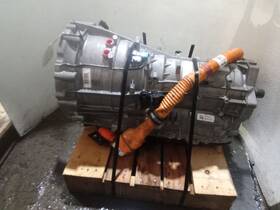
( Model: GRANDCHER ), ( Part Type: Transmission ), ( Conditions Options: At, Floor, 4x4 ), ( Genuine Oem: Yes ), ( Ipn: 400-11902 )
Review JEEP Automatic Transmission 2.0l Opt Dfy fits CHEROKEE GRAND 2024
The **Jeep 400-11902 Automatic Transmission** is a high-performance, heavy-duty transmission designed for the **2.0L Optima DFY 24** engine found in select models of the **Jeep Cherokee (XJ or WJ chassis, depending on generation)**, particularly those equipped with the **4.0L or 4.7L inline-six engines** in earlier iterations or the **3.0L Pentastar V6** in later models. This transmission is a robust, **four-speed automatic** built to deliver smooth, responsive shifting while handling the demanding torque requirements of Jeep s powerful engines. Engineered with a **torque converter** and a **planetary gearset**, the 400-11902 ensures seamless power delivery, making it ideal for both on-road comfort and off-road durability. Its **heavy-duty construction** includes reinforced housing, precision-machined shafts, and durable synchronizers that minimize wear even under extreme conditions, such as towing or aggressive driving. The transmission operates using a **hydraulic valve body** that regulates clutch engagement and shift points, allowing for precise control over gear selection while maintaining efficiency. Whether navigating rough terrain, climbing steep inclines, or cruising on highways, this transmission provides a balance of **torque multiplication and fuel economy**, making it a reliable choice for Jeep enthusiasts seeking both performance and longevity. Its compatibility with the **Optima DFY 24 engine** a fuel-injected, turbocharged powerplant ensures optimal performance, while its **durable seals and gaskets** help prevent leaks, reducing maintenance needs over time. For Jeep owners looking to restore or upgrade their vehicle s drivetrain, the **400-11902 automatic transmission** stands as a proven, high-quality component that enhances both power and reliability.
### **Pros and Cons of Buying a 2000-2004 Jeep Grand Cherokee (4.0L, 11902 Automatic Transmission, 2.0L Optima DFY 24) with a 2.0L Turbo Diesel (Optima DFY 24) Engine**
#### **Pros:**1. **Fuel Efficiency** The 2.0L turbo diesel engine is significantly more fuel-efficient than the traditional 4.0L gas V6, offering better mileage (around 20-25 MPG combined) compared to the 4.0L s 16-20 MPG. This can save money on fuel over time, especially for long-distance driving.
2. **Torque and Power** The diesel engine produces strong torque (around 230 lb-ft), making it well-suited for towing light loads or driving in hilly or rugged terrain. It also provides a smoother low-end power delivery compared to the 4.0L s higher-RPM powerband.
3. **Durability** Diesel engines are generally built to last longer than their gasoline counterparts, especially with proper maintenance. Many 2.0L Optima DFY engines in these Jeeps have proven reliable with high mileage if well-maintained.
4. **Lower Operating Costs** Diesel fuel is often cheaper than gasoline, and diesel engines typically require fewer repairs if maintained correctly. The turbocharger and intercooler systems are robust but do require attention to prevent issues like carbon buildup or oil dilution in cold climates.
5. **Off-Road Capability** The 4.0L V6 paired with the 11902 automatic transmission (a robust 4-speed auto) is well-suited for Jeep s reputation as an off-road vehicle. The 4.0L has proven durability in rugged conditions, and the automatic transmission is sturdy for heavy-duty use.
6. **Availability of Parts** Jeep parts for the 4.0L and 11902 transmission are still widely available, though some aftermarket support has declined. The diesel engine, while less common, has a dedicated following, and parts are accessible through specialty diesel suppliers.
7. **Classic Jeep Appeal** The 2000-2004 Grand Cherokee (especially the 4.0L model) is a popular choice among Jeep enthusiasts for its rugged styling, classic design, and strong aftermarket support. Modifications like lift kits, suspension upgrades, and performance tuning are widely available.
8. **Resale Value (for the 4.0L)** The 4.0L V6 models hold their value better than the diesel versions due to their broader appeal. If you plan to sell later, a well-maintained 4.0L will likely fetch a higher price than a diesel.
9. **Ease of Maintenance** The 4.0L engine is simpler than the diesel, with fewer high-pressure fuel system components that can fail. Routine maintenance (oil changes, spark plugs, timing belt) is straightforward and cost-effective.
10. **Comfortable Ride (for the 4.0L)** The 4.0L models tend to have a smoother ride compared to the diesel, which can feel slightly more rugged or noisy due to its turbocharged nature.
---
#### **Cons:** 1. **Diesel-Specific Issues** The 2.0L Optima DFY diesel is prone to common diesel problems:- **Carbon Buildup**: Turbochargers and injectors can clog over time, reducing performance. Regular turbo cleaning and injector servicing are required.
- **Oil Dilution in Cold Weather**: Diesel engines can suffer from cold-start issues where fuel mixes with oil, thinning it and causing wear. Additives like **Diesel Net Jeta** or **Liqui Moly Jeta** can help, but it s an ongoing concern.
- **Exhaust Gas Recirculation (EGR) Problems**: The EGR system can fail, leading to rough idling, loss of power, or check engine lights. Cleaning or replacing the EGR cooler is often necessary.
- **Fuel System Failures**: High-pressure fuel pumps and injectors can wear out, leading to expensive repairs if not maintained.
- **DPF/EGR Deletion Risks**: Some owners modify the EGR or delete the Diesel Particulate Filter (DPF) for performance, which can void warranties and lead to long-term engine damage if not done correctly.
2. **Higher Upfront Cost for Diesel** While the diesel saves on fuel, the initial purchase price for a diesel-equipped Jeep is often higher than a 4.0L gas model. Additionally, diesel-specific repairs (e.g., turbocharger replacement) can be costly.
3. **Transmission Reliability (11902 Automatic)** The 11902 transmission is robust but not without issues:- **Torque Converter Problems**: Some units develop leaks or fail to engage properly, leading to rough shifting or slipping.
- **Solenoid Failures**: The transmission solenoids can wear out, causing erratic shifting or failure to downshift properly.
- **Fluid Degradation**: Automatic transmission fluid (ATF) breaks down over time, leading to poor shifting or internal damage if not changed regularly (every 60,000 100,000 miles).
4. **4.0L Engine Weaknesses** While durable, the 4.0L V6 has some known issues:- **Timing Chain Stretch**: The timing chain can stretch over time, leading to timing issues, rattling noises, or engine damage if it jumps. Replacement is labor-intensive and expensive.
- **Water Pump Failures**: The water pump often fails around 100,000 miles, leading to overheating if not replaced promptly.
- **Head Gasket Leaks**: Older 4.0L engines can develop head gasket leaks, causing coolant loss, oil contamination, or overheating.
- **Spark Plug and Ignition Issues**: The ignition system can wear out, leading to misfires and rough running.
5. **Rust and Corrosion** Many older Jeeps (especially those from the early 2000s) suffer from rust in the wheel wells, frame rails, and undercarriage. A thorough inspection is critical to avoid costly repairs.
6. **Diesel Emissions Regulations** Some diesel Jeeps may have been modified to bypass emissions controls (e.g., EGR deletion, DPF removal), which can lead to poor performance, rough idling, or even failure to pass emissions tests in some states.
7. **Limited Aftermarket Support for Diesel** While the 4.0L has extensive aftermarket support (performance chips, exhaust upgrades, suspension kits), the diesel engine has fewer tuning options and aftermarket parts. Modifications are often more expensive or harder to find.
8. **Cold Weather Challenges (Diesel)** Diesel engines can struggle in very cold climates due to fuel gelling or poor cold-start performance. Heated fuel lines or fuel additives may be necessary.
9. **Resale Value (Diesel)** Diesel-equipped Jeeps typically depreciate faster than 4.0L gas models due to lower demand and the niche nature of diesel Jeeps. If you plan to sell later, a 4.0L will likely be easier to resell.
10. **Maintenance Costs** Both the diesel engine and the 11902 transmission require specialized knowledge for repairs. Labor costs can be high, especially for transmission or turbocharger work.
---
### **Ending Conclusion:**Buying a **2000-2004 Jeep Grand Cherokee with a 4.0L V6 and 11902 automatic transmission** is a solid choice if you prioritize **durability, ease of maintenance, and resale value**. The 4.0L engine is proven, reliable, and widely supported by aftermarket parts. While it lacks the fuel efficiency of the diesel, it offers a smoother ride, better cold-weather performance, and fewer diesel-specific headaches.
On the other hand, the **2.0L Optima DFY diesel** is an attractive option if you **value fuel efficiency, torque, and long-term durability** but only if you are prepared for **higher maintenance costs, diesel-specific issues (carbon buildup, EGR problems, oil dilution), and the need for specialized care**. The diesel is best suited for owners who:
- Drive long distances regularly (saving on fuel costs).
- Are willing to invest time and money in regular maintenance (turbo cleaning, injector service, EGR repairs).
- Don t mind potential modifications (e.g., EGR deletion) to improve reliability (though this can void warranties and may not be legal in all states).
- Prefer the diesel s torque for towing or off-roading.
**If you want a Jeep that s easy to maintain, reliable, and easy to sell later, the 4.0L is the better choice.**
**If you re okay with extra maintenance and want better fuel economy and torque, the diesel is worth considering but only if you re prepared for its quirks.**
---
### **Recommendation:**1. **For Most Buyers: Stick with the 4.0L V6 and 11902 Transmission**
- Pros: Proven reliability, easier maintenance, better resale value, fewer diesel-specific issues.
- Cons: Slightly worse
Details:
GRAND CHEROKEE 25 AT, 2.0L opt DFY. GRAND CHEROKEE 24 AT, 2.0L, opt DFY. Warranty Standard no-hassle 30-day warranty on most parts. Price for residential address delivery may be quoted individually and usually is twice as much commercial.
90 day warranty only on ENGINES AND TRANSMISSIONS. Domestically, items are shipped with UPS Ground.
part #: grandcher prices
- $2534.99-$2634.10
specifications autotransmissionsgo:
- for models: Cherokee, Grand
- for makes: Jeep
- for years: 2024
- model: Grandcher
- part type: Transmission
- conditions options: At, Floor, 4x4
- genuine oem: Yes
- ipn: 400-11902
general autotransmissionsgo:
- condition: Used
- Car Truck Parts Accessories > Transmission Drivetrain > Automatic Transmission
returns autotransmissionsgo:
- time: 60 Days
- paid by: Buyer
- policy: Returns Accepted
shipping autotransmissionsgo:
- type: Fixed
- service: Flat Rate Freight
- cost: $350.00
- class: Freight
payments autotransmissionsgo:
- other
- credit card: Visa
- wallet: Google-pay
seller autotransmissionsgo:
- city: San Diego, California
- # reviews: 10777
- rating: 99.6%
offer autotransmissionsgo:
- sold: 0
- quantity: 1
- best offers: True
- availability: In Stock
- options: Ship-to-home
- started: April 10, 2026
Jeep GRANDCHER Is Similar To:
- 03-04 Jeep Liberty Automatic Transmission (45.9% similar) Delivery starts at 35. If an item arrives damaged, please via message within 24 hours for instructions. No expedited shipping is available. 7l 2WD model 42RLE transmission was pulled as a working unit with strong shift response at 213K. Serious damage to the transmission may occur if above ...(October 20th, 2017)
- TRANSMISSION 06-10 JEEP GRAND CHEROKEE 3.7L V6 4X4 4WD TESTED (18.1% similar) ; parts are always guaranteed for 6 months. 7l v6 4X4 4WD, tested. 7L, 4X4 commander 2006 - 2010 . Fluids are drained and inspected for internal wear. Call us 1-888-692-2715 this is a great used transmission tested and removed from a low mileage, smooth running vehicle...(June 3rd, 2014)
- 1-04798152ad Mopar Transmission Rebuild Kit Jeep Wrangler Yj (42.6% similar) Gasket, filter and seal package. Brand new old stock automatic transmission rebuild kit for wrangler J...(December 16th, 2018)
- Patriot 1159436 Fwd Transmission Cvt 14 2.4l 13 Jeep Automatic (32.2% similar) The vehicle manufacturer requires the vehicle computer be reprogrammed immediately after installation to identify and properly operate the replacement transmission. 4L, fwd patriot 14. 4L, fwd caliber. 4l fwd this part will fit these makes and model's with these options caliber. N new part ...(May 19th, 2015)
- 117448 Cherokee 98 99 00 01 Jeep 4.0l 2wd Automatic Transmission 6 Cyl 4x2 (47.7% similar) Expedited shipping is only available if requested prior to purchase. Electrical parts computers, modules, switches, and sensors do not carry any warranty sold as is. Read carefully. If necessary you can call us with your credit card information. 0,AT,2WD this part will fit these makes and model's ...(November 2nd, 2015)
- 05 Wrangler Transmission Automatic 4.0l 06 120892 Jeep (38.5% similar) A commercial address for shipping is required. If an item arrives damaged, please within 24 hrs for instructions. 0,AT,4X4,FLOOR,ONLY 36K this part will fit these makes and model's with these options wrangler...(February 12th, 2015)
- 135626 Jeep Grand Cherokee 1996 Automatic Transmission Miles 8cyl 4x4 5.2l (49% similar) Please first before ING for shipping quote. Axle seals, front seals, and drive shaft seals will also need to be replaced. Buyer will need to replace the transmission oil filter, put a new pan gasket on, flush and add manufacturer specific fluids. If item is damaged in shipping, please to file a ...(November 27th, 2016)
- 1357826 Jeep Grand Cherokee Auto Trans Transfer Case Only Miles (27.8% similar) Shipping:we prefer local pick-up, but if the winning bidder is willing to make arrangements for delivery that fine. The items in pictures are actual item being offer. I will try my best to answer any and all questions about our offers. AM8716 1S-TRANSFER case assembly from a 2016 grand cherokee ...(September 27th, 2018)
- 1453649 05 Transmission Jeep Automatic 06 Liberty (32.3% similar) Address cranberry highway, ware ham, ma unique, marketing, and strategy consulting from as was. Call for details. Residential delivery is available for a small fee. Most transfer cases ship via ups. 7,3 06,4 Conn LHS side fits these makes, model's, and options liberty. Residential delivery is ...(February 19th, 2015)
- 4 Manual Wrangler 1455346 95 Transmission 94 Jeep Cyl (32.8% similar) Most transmissions weigh approximately pounds. Location if part locations on the vehicle are noted in the listing they are as if you were sitting in the drivers seat. Quality tested. Transmission type manual or auto, and the body type 2 door, 4 door, 5 door hatch, etc. Rear is towards the trunk, ...(January 1st, 2015)
- Jeep Assy Cherokee Grand 14f-68 99 Transmission (32.6% similar) At please have access to lift gate to unload pallet...(August 13th, 2014)