PONTIAC 400.GM2Q94 Auto Transmission Sensor Am 4T60E
fits model: 400, Range, Grand. make: Pontiac. year: 1994.
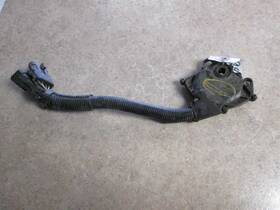
( Part Type: Transmission Sensor ), ( Conditions Options: Trans Range Sensor ), ( Genuine Oem: Yes ), ( Ipn: 400.gm2q94 )
Review PONTIAC Auto Transmission Sensor Am fits RANGE GRAND 400 1994
The **Pontiac 400 (GM 2Q94) Automatic Transmission Sensor for the 4T60E (1994)** is a critical component designed to ensure seamless and reliable operation of General Motors legendary 4-speed automatic transmission, commonly found in full-size trucks, SUVs, and muscle cars from the mid-1990s. This sensor, often referred to as the **transmission speed sensor (TSS) or input/output speed sensor**, plays a pivotal role in the vehicle s electronic control module (ECM) by providing real-time feedback on the rotational speed of the transmission s input and output shafts. By monitoring these speeds, the ECM can precisely calculate gear ratios, shift points, and overall transmission performance, preventing harsh shifts, stalling, or failure of the torque converter clutch. The **4T60E** a robust and durable transmission known for its strength and adaptability relies heavily on accurate sensor data to maintain optimal efficiency, especially under heavy loads or in demanding driving conditions.
Crafted to meet the exacting standards of GM s **2Q94** platform, this sensor is engineered with a **Hall-effect or magnetic pickup design**, ensuring high precision and durability even in the harsh environments typical of truck and SUV applications. The sensor features a **sealed, corrosion-resistant housing** to protect internal components from debris, moisture, and temperature fluctuations, which are common in off-road or daily-drive scenarios. Its **threaded mounting** ensures a secure and vibration-resistant fit within the transmission case, while the **flexible wiring harness** is designed to withstand repeated flexing and exposure to oil and coolant, reducing the risk of electrical failure over time. Compatible with **1994 Pontiac Firebirds, Trans Am models, GMCs, and other GM vehicles** equipped with the 4T60E, this sensor is a direct-fit replacement for the original equipment manufacturer (OEM) part, guaranteeing compatibility without the need for modifications.
Beyond its functional reliability, this sensor is a testament to GM s engineering legacy, embodying the **4T60E s reputation for toughness and longevity**. Whether used in a high-performance restoration project or as a routine maintenance upgrade, installing this sensor can restore lost transmission functionality, eliminate erratic shifting, or prevent catastrophic failure by addressing sensor-related codes such as **P0700, P0710, or P0715** in the vehicle s diagnostic system. For enthusiasts and mechanics alike, this component represents a straightforward yet essential upgrade that bridges the gap between a struggling transmission and a smoothly operating drivetrain. With its **OEM-level quality and precision**, the **Pontiac 400 (GM 2Q94) 4T60E transmission sensor** is an indispensable part for anyone seeking to preserve or revive the performance and reliability of their classic or modern GM vehicle.
### **Pros and Cons of Buying a 1994 Pontiac 400 with a GM 2Q94 Auto Transmission (4T60E)**
#### **Pros**
1. **Classic Muscle Car Appeal** The Pontiac 400 is a well-known muscle car from the early '90s, offering a strong V8 engine (typically a 5.0L or 5.7L) and a retro styling that appeals to enthusiasts. Its aggressive stance and performance-oriented design make it a desirable collector s item.
2. **4T60E Transmission Reliability** The 4T60E is a robust automatic transmission used in many GM vehicles of the era. When properly maintained, it can last well over 200,000 miles, especially if the fluid has been regularly changed. The torque converter and planetary gear design are sturdy, making it a solid choice for towing and daily driving if serviced correctly.
3. **Potential for Modifications** The 1994 Pontiac 400 is a platform that enthusiasts can easily modify. Options include:- **Engine upgrades** (big-block swaps, forced induction, or performance camshafts).
- **Suspension and handling tweaks** (lowering springs, sway bars, or performance shocks).
- **Exhaust and intake improvements** for better throttle response.
- **Transmission tuning** (performance torque converters, valve body remaps, or even a manual conversion).
4. **Parts Availability** As a mid-'90s GM vehicle, parts for the 400 are still relatively accessible, though some aftermarket and OEM components may require searching. The 4T60E transmission benefits from a large aftermarket support, including rebuild kits, performance parts, and tuning solutions.
5. **Potential for Restoration or Project Car** If the vehicle is in rough shape, it can be a rewarding project. Restoring a 1994 Pontiac 400 to showroom condition can be satisfying, and the car holds value in the classic muscle car market, especially if well-maintained.
6. **Good Power-to-Weight Ratio** The 5.0L or 5.7L V8 engines in the 400 provide strong acceleration, making it enjoyable to drive on highways or in drag racing scenarios. The stock engine is capable of handling moderate modifications without excessive stress.
7. **Community and Support** There is a dedicated community of Pontiac and muscle car enthusiasts who share knowledge, modifications, and restoration tips. Forums, clubs, and social media groups can provide guidance on repairs, upgrades, and maintenance.
---
#### **Cons**
1. **High Maintenance Costs** Like many older muscle cars, the 1994 Pontiac 400 requires regular upkeep. Common issues include:- **Engine wear** (valvetrain, head gaskets, or oil leaks over time).
- **Transmission concerns** (if the 4T60E has not been maintained, it may develop slipping, rough shifting, or internal wear).
- **Suspension and steering components** (ball joints, bushings, and control arms often need replacement).
- **Electrical gremlins** (common in older GM vehicles, such as faulty sensors or wiring issues).
2. **Transmission Limitations** While the 4T60E is durable, it is not as advanced as modern transmissions. Potential issues include:- **Slipping or delayed shifts** if the fluid is old or the valve body is worn.
- **Torque converter problems** (slippage or failure if not serviced properly).
- **Limited overdrive performance** compared to newer transmissions, which can feel less refined on highways.
- **No built-in diagnostics** for modern troubleshooting; older models require mechanical knowledge or a scan tool for GM s early OBD-I system.
3. **Fuel Economy** The V8 engine in the 400 is not fuel-efficient. Expect around **12 16 MPG in the city and 16 20 MPG on the highway**, making it expensive to drive daily compared to modern vehicles.
4. **Rust and Structural Issues** Many Pontiacs from the '90s suffer from rust, particularly in the wheel wells, frame rails, and floor pans. A thorough inspection is necessary to avoid buying a car with hidden structural damage that could be costly to repair.
5. **Depreciation and Resale Value** While the 400 holds some value as a classic muscle car, it is not a high-end investment like a Corvette or Camaro Z28. If you plan to sell it later, the resale value may not justify the cost of repairs or modifications.
6. **Modern Comfort and Safety Concerns** The 1994 Pontiac 400 lacks modern safety features such as:- **Airbags** (only driver-side airbag in some models; passenger airbags were added later).
- **Anti-lock brakes (ABS)** (common in later models but often absent in early '90s versions).
- **Electronic stability control or advanced driver-assistance systems**.
- **Modern seating and ergonomics** (harsh ride quality, less refined interior materials).
7. **Insurance Costs** Older muscle cars with high horsepower can be expensive to insure, especially if you plan to drive it aggressively or modify it further.
8. **Environmental Regulations** Some states have emissions requirements that may limit modifications or require additional equipment (e.g., smog checks, catalytic converters). A heavily modified 400 might not pass inspections in certain areas.
9. **Limited Modern Tech Integration** If you rely on GPS, Bluetooth, or other modern tech, compatibility may be limited. Aftermarket solutions exist, but they can be costly and may not integrate seamlessly.
10. **Potential for Hidden Problems** Without a thorough inspection (or a trusted mechanic s report), you might inherit issues such as:- **Failed water pumps or thermostats** (common in older V8s).
- **Worn-out bushings or drivetrain components**.
- **Electrical failures** (alternator, starter, or wiring harness issues).
---
### **Ending Conclusion**
Buying a **1994 Pontiac 400 with a GM 2Q94 4T60E transmission** can be a fantastic experience if you are an enthusiast who enjoys working on cars, restoring classics, or modifying performance vehicles. The 400 offers a blend of raw power, retro styling, and a strong following that makes it rewarding to own. However, it is not a practical daily driver for everyone due to its high maintenance needs, poor fuel economy, and lack of modern amenities.
The **4T60E transmission** is a solid choice if it has been well-maintained, but it requires regular fluid changes and attention to avoid costly failures. The biggest deciding factors should be:
- **Your budget** (are you prepared for repairs and modifications?).
- **Your skill level** (can you handle mechanical work, or do you prefer a low-maintenance vehicle?).
- **Your goals** (do you want a project car, a restored classic, or a street-legal performance machine?).
If you are willing to invest time, money, and effort into maintaining or restoring the vehicle, the 1994 Pontiac 400 can be an incredibly satisfying and fun car to own. However, if you prioritize convenience, fuel efficiency, or modern safety, this may not be the right choice.
---
### **Recommendation**
- **Buy it if:**- You are an experienced or enthusiastic mechanic who enjoys working on cars.
- You have a budget for repairs, modifications, and potential transmission maintenance.
- You want a classic muscle car with strong performance potential and a loyal fanbase.
- You plan to restore it to showroom condition or use it as a project for learning.
- You are okay with higher insurance costs and lower fuel economy.
- **Avoid it if:**- You want a low-maintenance, modern vehicle with minimal repair costs.
- You are not comfortable with mechanical work or don t have access to a trusted mechanic.
- You prioritize fuel efficiency, safety, or daily convenience over nostalgia and performance.
- You cannot afford unexpected repair bills (e.g., transmission rebuilds, engine issues, or rust repairs).
**Final Verdict:** The 1994 Pontiac 400 with a 4T60E is a **great choice for the right owner** someone who appreciates classic cars, enjoys hands-on projects, and is prepared for the challenges that come with owning an older muscle car. For others, it may be better to consider a more modern or lower-maintenance vehicle. Always **get a pre-purchase inspection** and **verify the transmission and engine history** before making a purchase.
Details:
4T60E TRANS RANGE SENSOR.
part #: 400.gm2q94 prices
- $42.01-$560.84
specifications autotransmissionsgo:
- for models: 400, Range, Grand
- for makes: Pontiac
- for years: 1994
- part type: Transmission Sensor
- conditions options: Trans Range Sensor
- genuine oem: Yes
- ipn: 400.gm2q94
shipping autotransmissionsgo:
- cost: $0.00
- class: Standard
- transit: 4-8 Days
- service: Standard
- type: Fixed
seller autotransmissionsgo:
- rating: 99.1%
- # reviews: 13029
- city: Greensburg, Indiana
payments autotransmissionsgo:
- credit card: Diners-club
- other
- wallet: Apple-pay
offer autotransmissionsgo:
- sold: 0
- options: Ship-to-home
- best offers: True
- quantity: 1
- started: March 27, 2026
- availability: In Stock
general autotransmissionsgo:
- Car Truck Parts Accessories > Transmission Drivetrain > Automatic Transmission
- condition: Used
returns autotransmissionsgo:
- paid by: Buyer
- policy: Returns Accepted
- time: 30 Days
Pontiac 4T60E Is Similar To:
- 03144 Gm Firebird Trans Am Pontiac Bop Transmission Core Pickup Only (42.9% similar) This is a short shaft TH350. Would fit the following: 70-79 fire bird trans am w pontiac engine, 403 old's. This is the bop Buick old's pontiac bolt pattern, so it fill fit 70-S model's V8, v8 and Oldsmobile engines. Sold as is, no warranty, for parts. Removed from a 79 trans am...(July 10th, 2018)
- Fr9 3.5l 1010727 Automatic Pontiac Opt 07 3.29 Ratio Transmission G6 (35.7% similar) 5l if an item arrives damaged, please get in touch as soon as possible. Read notes in red below for what this used transmission will fit. 29 axle ratio opt FR9 g6 07. This sale is for the transmission from this vehicle only. 29 ratio opt FR9 notes. No expedited shipping is available. 29 RATIO,FR9 ...(October 25th, 2014)
- Automatic 1400117 G6 3.9l Transmission 06 Pontiac (34.7% similar) Quality tested. Warranty period begins on the day the part is delivered. All parts have been carefully inspected. Example left is drivers side. Delivery address must be within the lower 48 states. Warranty is for replacement of the part only and does not include any towing, labor, fluids, seals or ...(July 22nd, 2014)
- Assy 00 Transmission 14f-48 Pontiac Van Montana (40% similar) 4L,AT please have access to lift gate to unload transmission assembly...(September 11th, 2014)
- Pontiac 01 14h-34 Van Montana Transmission Assy. (45% similar) 4L,AT please have access to a lift gate to unload the transmission assembly...(September 10th, 2014)
- 16d-17 Pontiac Grand Prix Transmission Assy 07 08 (39.7% similar) Part #: 16D-17 prices...(May 23rd, 2016)
- 174076 Transmission Opt 06 Axle Evj Fr9 Id Automatic Ratio G6 Pontiac 3.29 05 (33.6% similar) 29 axle ratio opt FR9, id VJ Malibu 05. 5L, 29 axle ratio opt FR9, id VJ g6 05...(February 1st, 2015)
- 178540 Pontiac Bonneville 1998 Automatic Transmission Assembly Miles Fwd 3.8l (48.3% similar) Transmission lines will need flushed, along with the transmission oil cooler needs replaced if equipped, this needs to be done so contaminants from the bad transmission will not ruin your replacement transmission. Axle seals, front seals, and drive shaft seals will also need to be replaced. 8L,AUTO ...(September 29th, 2016)
- 1998-2002 Pontiac Firebird 3.8l Automatic Transmission (42.9% similar) 8l automatic transmission, used, w warranty unknown mileage due to accident. Includes a 90 day warranty. All shipping prices listed are for the continental USA...(January 12th, 2017)
- 2003 Pontiac Montana Automatic Transmission (45.2% similar) This is a used part and will typically have the normal wear found for year of vehicle it comes from. No expedited shipping options are available at this time. If an item arrives damaged, please immediately through messaging within at least 24 hours for further instructions...(September 13th, 2017)
- Address 213754 Commercial 06 2.4l G6 Pontiac Automatic Transmission (36% similar) 06 pontiac g6 automatic transmission if an item arrives damaged, please via message within 24 hours for instructions. 4l at front mount hole cracked this part will fit these makes and model's with these options g6 06. No expedited shipping is available...(February 18th, 2015)