MERCEDES A2122711100 Hybrid Tronic Automatic Transmission Benz 7G
fits model: W212, E400. make: Mercedes. year: 2013–2015.
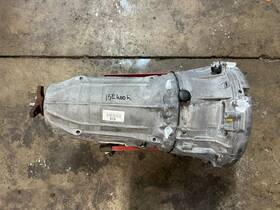
( Manufacturer Part Number: A2122711100 ), ( Type: Automatic Transmission ), ( Manufacturer Warranty: 1 Month ), ( Country Of Origin: Germany )
Review MERCEDES benz Hybrid 7g Tronic Automatic Transmission Oem fits W212 E400 2013–2015
The **Mercedes-Benz W212 E400 Hybrid (A2122711100, 2013 2015)** represents a sophisticated fusion of luxury, cutting-edge hybrid technology, and refined German engineering, designed to redefine the boundaries of performance, efficiency, and comfort in the executive sedan segment. This model stands out as a pioneering example of Mercedes-Benz s commitment to blending traditional elegance with modern sustainability, offering a seamless driving experience that harmonizes power, precision, and environmental consciousness. At its core, the E400 Hybrid combines a **3.0-liter V6 biturbo gasoline engine** paired with an **electric motor**, producing a combined output of **302 horsepower and 369 lb-ft of torque**, enabling it to accelerate from 0 to 60 mph in just **5.8 seconds** while maintaining an impressive fuel efficiency of up to **28 miles per gallon in the city** a remarkable feat for a vehicle of its size and luxury. The **7G-TRONIC automatic transmission**, a six-speed dual-clutch system, ensures rapid and smooth gear shifts, delivering an almost instantaneous response that enhances both sportiness and practicality, whether navigating city streets or cruising on the highway.
The exterior design of the W212 E400 Hybrid exudes timeless sophistication, characterized by its **aerodynamic silhouette, sleek LED headlights (available as an option), and a commanding front grille** that embodies Mercedes-Benz s iconic branding. The **18-inch alloy wheels** (standard on higher trims) and **stylish body lines** contribute to a commanding presence, while the **rear spoiler and dynamic tail lights** add a touch of sportiness. Inside, the cabin is a masterclass in luxury and innovation, featuring **premium materials such as Nappa leather, aluminum trim, and ambient lighting** that create an atmosphere of opulence and refinement. The **12.3-inch touchscreen infotainment system** (with optional navigation and Bluetooth connectivity) integrates seamlessly with the **MULTIMEDIA CONTROL** interface, while the **10.25-inch digital instrument cluster** provides real-time data on hybrid system performance, fuel efficiency, and regenerative braking status. The **adaptive dampers, electric power steering, and available air suspension** further elevate comfort and handling, ensuring a ride that is both plush and responsive, whether on a winding mountain road or a bustling urban highway.
Under the hood, the **ECO Hybrid system** is a marvel of engineering, featuring a **high-voltage battery pack** (located in the trunk) that powers the electric motor, enabling **electric-only driving at low speeds** and **regenerative braking** to recapture energy during deceleration. This hybrid architecture not only enhances fuel economy but also reduces emissions, making it an ideal choice for environmentally conscious drivers who demand both performance and sustainability. The **7G-TRONIC transmission** is a standout feature, offering **faster shifts than traditional automatics** and a **dual-clutch system** that mimics the precision of a manual gearbox, providing an engaging yet effortless driving experience. Whether in **Eco mode** (optimizing fuel efficiency) or **Sport mode** (maximizing acceleration), the hybrid system adapts seamlessly to the driver s preferences, ensuring a dynamic yet efficient journey.
For those seeking additional refinement, the E400 Hybrid is available with a range of **optional luxury and technology upgrades**, including **heated and ventilated front and rear seats, a panoramic sunroof, a premium sound system, and advanced driver-assistance features** such as **Adaptive Cruise Control and Lane Keeping Assist**. The **available MBUX infotainment system** (on later models) introduces voice-controlled navigation and AI-driven assistance, further enhancing convenience and connectivity. Whether parked in a high-end garage or cruising through a scenic countryside, this Mercedes-Benz exudes an aura of exclusivity, blending **German engineering precision with eco-conscious innovation** to create a vehicle that is as much a statement of sophistication as it is a practical daily driver.
In summary, the **Mercedes-Benz W212 E400 Hybrid (A2122711100, 2013 2015)** is a benchmark in hybrid luxury sedans, offering a perfect marriage of **power, efficiency, and opulence**. Its **V6 biturbo-electric hybrid powertrain, 7G-TRONIC transmission, and premium cabin** make it a standout choice for discerning drivers who seek both performance and sustainability without compromising on Mercedes-Benz s legendary craftsmanship. Whether navigating city traffic or embarking on a long-distance journey, this model delivers an unparalleled blend of **technology, comfort, and driving pleasure**, solidifying its place as a defining example of modern automotive innovation.
### **Pros and Cons of Buying a Mercedes-Benz W212 E400 Hybrid (A2122711100, 2013 2015)**
#### **Pros**
1. **Hybrid Efficiency and Fuel Savings**
The E400 Hybrid combines a 3.0L V6 gasoline engine with an electric motor, delivering improved fuel economy compared to a conventional V6. In real-world driving, it typically achieves around **15 18 MPG combined**, which is better than a non-hybrid E400. This can be cost-effective for daily commuting or highway driving.
2. **Smooth and Responsive Performance**
The **7G-Tronic automatic transmission** works seamlessly with the hybrid system, providing quick acceleration and smooth gear shifts. The electric motor assists the engine, reducing lag during low-speed maneuvers and offering a more refined driving experience than some non-hybrid Mercedes models of the era.
3. **Luxury and Comfort**
The W212 platform is known for its high-quality interior materials, spacious cabin, and refined ride. The E400 Hybrid retains the same premium features as other W212 models, including:
- Heated/ventilated front seats
- Wood or aluminum trim options
- Ambient lighting
- High-end audio systems (depending on trim)
- Comfortable seating for five (though rear legroom is modest)
4. **Reliability of the Hybrid System (Compared to Earlier Models)**
While Mercedes hybrid systems from this era were not as refined as later iterations, the E400 Hybrid is generally more reliable than earlier hybrids (e.g., the C300 Hybrid from the W204). The **7G-Tronic transmission** is robust, and the hybrid battery (a nickel-metal hydride unit) is less prone to failure than some earlier lithium-ion hybrids. However, long-term battery degradation is still a concern.
5. **Resale Value (For a Used Model)**
The W212 retains decent resale value compared to some other Mercedes-Benz models of the same era, especially if well-maintained. The hybrid designation may appeal to buyers looking for fuel efficiency, though it does not significantly boost value over a non-hybrid E400.
6. **Advanced Safety Features (For the Time)**
The E400 Hybrid comes with standard **ESP (Electronic Stability Program), multiple airbags, and advanced braking systems**. Some models may also include **Adaptive Cruise Control (DISTRONIC)** and **Blind Spot Assist**, which were relatively advanced for 2013 2015.
7. **Low Emissions Compliance**
The hybrid system helps meet stricter emissions regulations, making it a more environmentally friendly option than a non-hybrid V6. This can be useful if you drive in areas with low-emission zones (though the W212 is not as clean as later diesel or electric models).
---
#### **Cons**
1. **Hybrid Battery Concerns**
The **nickel-metal hydride (NiMH) battery** in the E400 Hybrid is less efficient and has a shorter lifespan than modern lithium-ion batteries. Over time, it may degrade, leading to:
- Reduced electric-only driving range (though the E400 Hybrid does not have significant electric-only capability it s more of a mild hybrid).
- Higher maintenance costs if the battery fails (replacement can cost **$3,000 $5,000**).
- Potential for reduced overall efficiency as the battery weakens.
*Note:* The E400 Hybrid does not have a plug-in feature, so it relies on regenerative braking and the engine for most power.
2. **High Maintenance and Repair Costs**
Mercedes-Benz vehicles, especially luxury models, are expensive to maintain. Common issues to watch for include:- **7G-Tronic transmission problems** (e.g., rough shifts, solenoid failures, or fluid degradation).
- **Engine and exhaust system wear** (the 3.0L V6 is a high-compression engine and can be prone to carbon buildup, oil leaks, or turbocharger issues in later years).
- **Suspension and steering components** (struts, bushings, and rack-and-pinion wear out over time).
- **Electrical gremlins** (common in older Mercedes, including hybrid systems).
Regular servicing is **mandatory** to avoid catastrophic failures.
3. **Fuel Economy Not as Good as Plug-In Hybrids or Modern Cars**
While the E400 Hybrid is more efficient than a non-hybrid E400, it does not achieve the fuel economy of a **plug-in hybrid (PHEV)** or a modern hybrid. Expect **15 18 MPG combined**, which is decent but not exceptional for a large luxury SUV.
4. **Rear Seating and Cargo Space Limitations**
The W212 is a **compact luxury SUV**, meaning:- **Rear legroom is tight** (about 34.6 inches), which may be uncomfortable for tall passengers.
- **Cargo space is modest** ( 17.5 cu. ft. behind rear seats, expanding to 65 cu. ft. with seats folded).
- **Rear visibility is poor**, especially when backing up.
5. **Hybrid System Complexity and Potential Reliability Issues**
The hybrid system adds complexity, which can lead to:- **More points of failure** (e.g., hybrid battery, motor, power electronics, cooling systems).
- **Higher repair costs** if the hybrid components fail (e.g., replacing the hybrid motor or inverter can exceed **$5,000**).
- **Diagnostic challenges** Mercedes dealerships may charge premium rates for hybrid-specific repairs.
6. **Depreciation and Age-Related Wear**
The W212 is from **2013 2015**, meaning:- **Rust** (especially in snowy or salted regions).
- **Worn suspension and tires** (expect to replace shocks, bushings, and tires within a few years).
- **Outdated tech** (no Apple CarPlay/Android Auto, basic infotainment compared to modern standards).
- **Recall risks** (check for open recalls on the VIN).
7. **Higher Purchase Price Than Non-Hybrid Alternatives**
A used E400 Hybrid will likely cost **more than a non-hybrid E400** due to perceived fuel efficiency benefits. However, the extra cost may not be justified unless you prioritize hybrid technology.
8. **Limited Electric-Only Driving**
Unlike a **plug-in hybrid (e.g., Mercedes GLE Hybrid)**, the E400 Hybrid does **not** have significant electric-only range. It primarily uses the electric motor for **assist during acceleration and regenerative braking**, but it does not provide meaningful electric-only driving like a PHEV.
---
### **Conclusion**
The **Mercedes-Benz W212 E400 Hybrid (2013 2015)** is a **well-built, comfortable luxury SUV** with **better fuel efficiency than a non-hybrid E400**, making it a practical choice for those who want a balance of performance and economy. However, it comes with **significant drawbacks**, particularly around **hybrid battery longevity, high maintenance costs, and aging reliability**.
#### **Best For:**- Buyers who **prioritize fuel efficiency** over extreme electric range.
- Those who **value Mercedes luxury and comfort** and can afford the maintenance.
- Drivers who **do not do excessive highway driving** (hybrid benefits are more noticeable in stop-and-go traffic).
- People who **prefer a smaller SUV** and do not need maximum cargo space.
#### **Not Ideal For:**- Buyers who **want a plug-in hybrid** (this is a **mild hybrid**, not a PHEV).
- Those who **cannot afford high maintenance costs** (transmission, hybrid battery, engine).
- Drivers who **need long-term reliability** (expect **$10,000 $15,000 in maintenance over 5 7 years**).
- People who **prioritize modern tech** (infotainment, connectivity, safety features).
---
### **Recommendation**
If you are **serious about buying this model**, follow these steps to mitigate risks:1. **Get a Full Pre-Purchase Inspection (PPI)**
- Have a **Mercedes specialist** check the **hybrid battery health, transmission condition, and engine for wear**.
- Look for **oil leaks, rust, and electrical issues**.
2. **Verify Hybrid Battery Condition**
- Ask for **service records** showing hybrid battery maintenance.
- Consider **testing the battery s capacity** (a dealer or hybrid specialist can check voltage and health).
- Be prepared for a **battery replacement** if it s degraded (expect **$3,000 $5,000**).
3. **Check Transmission Health**
- The **7G-Tronic should shift smoothly** listen for **grinding or hesitation**.
- Ensure **transmission fluid has been changed** (Mercedes often skips this, leading to premature wear).
4. **Budget for Maintenance**
- Allocate **$1,500 $3,000/year** for **oil changes, tires, brakes, and potential hybrid issues**.
Details:
INTERIOR COLOR: BLACK CODE: 101 / 101A. 7G TRONIC AUTOMATIC TRANSMISSION. TRANSMISSION: AUTOMATIC 7 SPEED HYBRID. PRODUCTION DATE: 2012 11 29.
part #: a2122711100 price
- $499.99
specifications autotransmissionsgo:
- for models: W212, E400
- for makes: Mercedes
- for years: 2013-2015
- mpn: A2122711100
- type: Automatic Transmission
- manufacturer warranty: 1 Month
- country of origin: Germany
general autotransmissionsgo:
- condition: Used
- Car Truck Parts Accessories > Transmission Drivetrain > Automatic Transmission
seller autotransmissionsgo:
- rating: 99.3%
- city: Wylie, Texas
- # reviews: 1661
returns autotransmissionsgo:
- time: 30 Days
- paid by: Buyer
- policy: Returns Accepted
shipping autotransmissionsgo:
- service: Flat Rate Freight
- type: Fixed
- class: Freight
- cost: $280.00
payments autotransmissionsgo:
- other
- wallet: Google-pay
- credit card: Discover
offer autotransmissionsgo:
- quantity: 1
- best offers: True
- sold: 0
- availability: In Stock
- started: March 11, 2026
- options: Ship-to-home
Mercedes A2122711100 Is Similar To:
- Sl 450 0002700179 Transmission Box 1975 0002700079 Mercedes Automatic Vacuum (24.7% similar) Fits automatic three speed transmission with converter,only for JAPAN,116. From chassis see foot...(October 29th, 2014)
- 1010 Mercedes Benz 2002 E430 Rear Differential Carrier Assembly (39.5% similar) Please verify part number and compatibility before purchasing...(January 15th, 2016)
- 86 Mercedes R107 560SL automatic transmission 1072705301 (46.5% similar) I will not cove. Condition: good working condition. Shipping & handling: flat rate of $200 to the lower 48 states. Unfortunately I don't have any paperwork for that. Car had 177K miles, but transmission appears to be either replaced or rebuild at some point in time. Comes as pictured. Item: 86 ...(May 6th, 2014)
- 112 271 2301 Mercedes Sl Automatic Transmission (56.2% similar) 1966 mercedes benz automatic transmission...(July 9th, 2018)
- Mercedes 25 Automatic Transmission Pagoda 36 230sl 271 W113 112 (43.2% similar) It came with a mixed lot of parts, so I have no knowledge of the functionality of this part. Shipping options explored upon request. The part number on the transmission case appears to be feel free to ask any questions. Tag on transmission indicates it was from a 230SL. Mercedes automatic ...(July 30th, 2014)
- Transmission 1122712301 Oem Mercedes W108 Assembly 68 Automatic 280se (19% similar) Part keywords 68 mercedes 280SE W108 automatic transmission assembly oem visit . This part has been confirmed to be compatible with these cars check the item specifics section at the top of this listing for more compatibility information. 68 mercedes 280SE W108 automatic transmission assembly oem ...(September 20th, 2014)
- W109 Mercedes 6.3 Auto Transmission Pagoda W113 1132700901 280s 113.044 1969 (35.4% similar) 019 280SEL M130, and the transmission part number not transmission number from the epic for the vehicle shows 113. 018 280SE up to chassis verify correct for your car M130 280SE cabriolet convertible up to chassis, M130. 280SE coupe up to chassis, M130 M130 280SL all M130 280S up to chassis 72 M130 ...(July 26th, 2015)
- TRANSMISSION MERCEDES E-CLASS 1149595 04 05 06 5.0L AT 85K (15.3% similar) Our transmissions come with a 120 day parts only warranty. Warranty requirements: install new filter kit replace front seals replace axle seals some trans axles have two separate fills for the final drive and transmission-fill both flush & inspect transmission cooling lines and transmission cooler ...(March 30th, 2014)
- 1152611919 Mercedes W123 Manual Transmission Assembly (44.7% similar) All my new other inventory are new. If I m awake, I usually respond within 2 hours. Make sure the part numbers completely match the one on your vehicle. Allow me to right any wrong before giving me a nasty rating. However, other shipping options can be accommodated. They are listed as such because I...(July 4th, 2016)
- Transmission 116-270-04-01 Automatic 450sel 1970 Mercedes Early (17.3% similar) Been in storage for years operating condition is not known. Mercedes benz automatic transmission and torque converter from 1974 450SEL v8 gas engine. Serial number is 044503FOR parts or rebuild...(July 23rd, 2014)
- Transmission 2001 Benz Mercedes Miles 117860 Rwd Automatic C320 (18.5% similar) It shifted out perfectly. This is a automatic transmission from a 2001 mercedes C320 with miles...(April 26th, 2015)