VOLKSWAGEN 002300044N Transporter Manual Transmission Transport 400-51562
fits make: Volkswagen. year: 1972–1973.
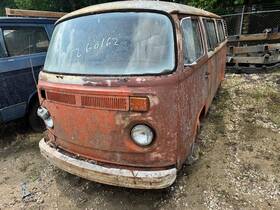
( Manufacturer Part Number: 002300044N ), ( Model: TRANSPORT ), ( Conditions Options: Manual ), ( Genuine Oem: Yes ), ( Ipn: 400-51562 ), ( Descriptionpartcondition: 1972 1973 Volkswagen Transporter Oem Manual Transmission ), ( Manufacturer Warranty: 90 Day ), ( Type: Manual Transmission ), ( Partout Id: A-125322785 )
Review VOLKSWAGEN Transporter Oem Manual Transmission fits 1972–1973
The **Volkswagen Type 2 (Transporter) 002300044N from 1972 1973** is a rare and highly sought-after example of the iconic "Bay Window" generation, a model that seamlessly blends practicality with timeless design. Built during the transitional era between the first and second generations of the Transporter, this particular chassis identified by its **Type 2A (1970 1979) body style** features the signature **large rear window** that became a defining characteristic of the series, offering unparalleled visibility and a more spacious cabin. The **002300044N** designation indicates a **manual transmission model**, likely paired with one of Volkswagen s legendary air-cooled flat-four engines, which in this era typically included the **1.6L (1598cc) or 1.8L (1795cc) versions**, both known for their durability and straightforward mechanics. These engines, paired with a **four-speed manual gearbox**, deliver a driving experience that balances torque and efficiency, making the Transporter equally capable of hauling cargo or navigating city streets with ease.
Externally, the 1972 1973 Transporter retains the **boxy yet functional** aesthetic of its predecessors, with its **sloping roofline, rounded headlights, and chrome-accented details** that evoke a sense of mid-century craftsmanship. The **split rear window** a hallmark of the Bay Window models provides both practicality for loading goods and a nostalgic charm that appeals to enthusiasts. Inside, the cabin is a study in utilitarian design, with **bench seating** that folds flat for maximum cargo space, **simple but sturdy dashboard instrumentation**, and **leather-wrapped steering wheels** (on higher trims) that add a touch of luxury. The **manual transmission** ensures an engaging driving experience, with a **column-mounted shifter** that offers precise control, while the **clutch pedal** though less refined than modern counterparts is robust and responsive, a testament to the engineering of the era.
Under the hood, the **air-cooled flat-four engine** remains one of the most distinctive features of this Volkswagen, a design that prioritized simplicity and reliability over high-performance specs. The **1.6L or 1.8L engine** produces a smooth, growling power delivery that is both satisfying and efficient, with minimal maintenance requirements compared to modern internal combustion engines. The **manual transmission** likely a **four-speed with synchromesh on the top three gears** is a driver s delight, offering crisp shifts and a tactile connection to the road. The **drive shaft and rear-wheel drivetrain** ensure a stable and predictable handling experience, while the **solid rear axle** provides a sturdy foundation for both on-road and off-road adventures.
This **1972 1973 Volkswagen Transporter** is not just a vehicle; it is a piece of automotive history, embodying the spirit of post-war ingenuity and the enduring appeal of Volkswagen s utilitarian yet stylish design. Whether used for work, travel, or as a weekend project, this model offers a unique blend of **practicality, durability, and character** that few modern vehicles can match. With its **manual transmission**, **air-cooled engine**, and **iconic Bay Window body**, it stands as a testament to Volkswagen s ability to create a vehicle that is as functional as it is fascinating a true classic that continues to captivate collectors and enthusiasts alike.
### **Pros and Cons of Buying a 1972 1973 Volkswagen Type 2 (Transporter) with Manual Transmission (Chassis No. 002300044N)**
#### **Pros**
1. **Classic Design and Character**
The Volkswagen Type 2 (commonly called the "Transporter" or "Bus") from the early 1970s retains a timeless, retro aesthetic that appeals to enthusiasts. Its boxy, utilitarian shape and vintage charm make it stand out from modern vehicles.
2. **Reliability of the Air-Cooled Engine**
The 1.6L or 1.8L air-cooled flat-four engines (depending on the model year) are known for their durability. With proper maintenance, these engines can last well beyond 200,000 miles, especially if they ve been well cared for.
3. **Manual Transmission Availability**
The manual transmission (likely a four-speed or five-speed, depending on the year) is straightforward and easy to maintain. Many buyers prefer manual transmissions for driving enjoyment and lower cost of ownership compared to automatics.
4. **Versatility and Space**
The Type 2 offers generous interior and cargo space, making it ideal for camping, hauling equipment, or even as a living space (camper conversions). The high roof and sliding doors provide practicality for various uses.
5. **Strong Community and Support**
The VW Type 2 has a dedicated following, with numerous clubs, forums, and aftermarket parts available. This means finding help, modifications, and restoration advice is relatively easy.
6. **Potential for Customization**
The Type 2 is highly customizable from engine swaps (e.g., turbocharging, larger air-cooled engines, or even water-cooled conversions) to body modifications (extended wheelbases, different roof styles, or camper builds).
7. **Lower Running Costs (Compared to Modern Vehicles)**
Fuel efficiency for the time was decent (around 12 15 MPG in city driving), and parts are often cheaper than those for newer vehicles. Insurance costs may also be lower than for modern high-value cars.
8. **Historical and Nostalgic Value**
For enthusiasts, owning a well-preserved 1970s VW Type 2 carries sentimental value. It represents a bygone era of automotive simplicity and craftsmanship.
---
#### **Cons**
1. **High Maintenance Requirements**
While air-cooled engines are durable, they require regular attention. Rust, worn belts, and aging components (such as the clutch, suspension, and electrical system) can lead to costly repairs if neglected. The vehicle may need frequent fluid changes, belt replacements, and rust treatment.
2. **Rust and Structural Issues**
Many early 1970s Type 2s suffer from rust, particularly in the floor pans, wheel wells, and frame. A thorough inspection is essential to avoid purchasing a vehicle with hidden structural damage that could compromise safety.
3. **Outdated Safety Features**
The Type 2 lacks modern safety standards, such as airbags, stability control, or advanced braking systems. It also has poor crash test ratings by today s standards, making it less safe in accidents.
4. **Limited Modern Comforts**
Heating and cooling systems are often basic or inefficient. The seats may be uncomfortable for long drives, and the ride can be stiff compared to modern suspensions. Noise and vibration levels are higher than in contemporary vehicles.
5. **Parts Availability and Costs**
While parts are widely available, some specialized components (e.g., rare electrical parts, specific suspension items) can be expensive or difficult to source. Restoring a Type 2 to original condition may require significant investment.
6. **Driving Experience Limitations**
The manual transmission can be stiff, and the steering is less precise than modern rack-and-pinion setups. The vehicle s weight and size make it less nimble in tight spaces, and parking can be challenging.
7. **Fuel Efficiency and Emissions**
Modern fuel economy standards are far superior, and the Type 2 s emissions may not meet current regulations in some regions, limiting its use for certain activities (e.g., some public transport or commercial applications).
8. **Depreciation and Resale Value**
While classic VWs can appreciate in value, a heavily used or poorly maintained Type 2 may depreciate quickly. The resale market is niche, and finding buyers may take time unless the vehicle is in excellent condition.
9. **Electrical System Reliability**
The electrical system in older Type 2s can be finicky, with issues like failing alternators, corroded connections, or unreliable gauges. Modern electronics may not be compatible with the vehicle s wiring.
10. **Insurance and Registration Costs**
Depending on the region, insuring a classic or high-mileage vehicle can be expensive. Some insurers may classify it as a "collector s item," leading to higher premiums.
---
### **Conclusion**
Buying a 1972 1973 Volkswagen Type 2 with manual transmission is a rewarding but challenging endeavor. It is ideal for enthusiasts who appreciate vintage charm, mechanical simplicity, and the joy of working on a classic vehicle. However, it requires a significant commitment to maintenance, restoration, and potentially higher long-term costs.
This Type 2 is not a practical daily driver for most people but excels as a project car, weekend toy, or specialized vehicle (e.g., camper, work truck, or showpiece). If you are prepared for the challenges rust, repairs, and occasional frustration it can be an incredibly satisfying and unique addition to your collection.
---
### **Recommendation**
If you decide to purchase this vehicle, follow these steps to maximize your chances of a successful ownership experience:1. **Thorough Inspection**
Have a trusted mechanic or VW specialist inspect the vehicle for rust, engine condition, transmission health, and electrical systems. Look for signs of previous accidents or neglect.
2. **Documentation and History**
Verify the vehicle s service records. A well-documented history (especially for air-cooled engines) is invaluable. Check for a clean title and avoid salvage or rebuilt titles unless you re prepared for the risks.
3. **Budget for Restoration**
Allocate a budget for repairs, parts, and potential upgrades. Expect to spend at least as much on restoration as you paid for the vehicle, if not more. Consider whether you want a "driven daily" version or a "showroom" restoration.
4. **Join the Community**
Engage with VW Type 2 clubs or forums (e.g., VWBus.org, Reddit s r/vwbus) for advice, part sourcing, and troubleshooting. Local clubs often have experienced members who can guide you.
5. **Consider a Project vs. Ready-to-Drive**
- If you re looking for an immediate driving experience, seek out a vehicle that has already undergone significant restoration.
- If you re drawn to the challenge of building it yourself, prioritize finding a vehicle with a solid foundation (e.g., no major rust or engine issues) and start with cosmetic or mechanical upgrades.
6. **Test Drive and Road Test**
During the test drive, pay attention to:- Engine noise, smoothness, and acceleration.
- Transmission engagement and clutch condition.
- Suspension responsiveness and handling.
- Electrical systems (lights, gauges, accessories).
7. **Legal and Practical Considerations**
Ensure the vehicle complies with local regulations regarding emissions, safety equipment, and registration. Some regions have restrictions on older vehicles, so check with your DMV or equivalent authority.
8. **Patience and Passion**
Owning a classic VW Type 2 is as much about the journey as the destination. Be patient with the restoration process, and enjoy the hands-on experience. If you re not prepared for the work, consider buying a restored example instead.
---
**Final Verdict:** This 1972 1973 VW Type 2 is a fantastic choice if you re an enthusiast willing to invest time and effort into its care. For those seeking a hassle-free or modern vehicle, it may not be the best fit. Proceed with careful research, a realistic budget, and a passion for vintage automotive culture.
Details:
Transmissions are drained prior to shipping. Manufacturers specified fluid types must be used. On AWD/4x4 transmissions, the transfer case will not be included.
All seals, gaskets, and filters must be replaced prior to install in order maintain warranty. Orders placed after 2:00 pm CST cannot be guaranteed shipping that day. Not just our Heritage, but Legacy 1972 1973 Volkswagen Transporter OEM Manual Transmission. 1972 1973 Volkswagen Transporter OEM Manual Transmission: Some vehicles have different specs that must be matched to ensure fit.
Hospitals, Schools, Farms, storage Units, Home Business, Airports, No Truck/Limited Access zones and Military Bases are not accepted as a valid commercially zoned address.
part #: 002300044n prices
- $65.95-$950.00
specifications autotransmissionsgo:
- for makes: Volkswagen
- for years: 1972-1973
- mpn: 002300044n
- model: Transport
- conditions options: Manual
- genuine oem: Yes
- ipn: 400-51562
- descriptionpartcondition: 1972 1973 Volkswagen Transporter Oem Manual Transmission
- manufacturer warranty: 90 Day
- type: Manual Transmission
- partout id: A-125322785
general autotransmissionsgo:
- condition: Used
- Car Truck Parts Accessories > Transmission Drivetrain > Automatic Transmission
returns autotransmissionsgo:
- paid by: Buyer
- policy: Returns Accepted
- time: 30 Days
seller autotransmissionsgo:
- # reviews: 62960
- rating: 99.7%
- city: Mobile, Alabama
shipping autotransmissionsgo:
- service: Flat Rate Freight
- cost: $300.00
- class: Freight
- type: Fixed
offer autotransmissionsgo:
- sold: 0
- quantity: 1
- options: Ship-to-home
- started: April 30, 2026
- availability: In Stock
- best offers: True
payments autotransmissionsgo:
- other
- wallet: Google-pay
- credit card: Diners-club
Volkswagen 002300044N Is Similar To:
- 01m927733en Cntrl Auto Volkswagen Oem Trans Genuine (39% similar) ...(February 21st, 2015)
- Trans Controller Genuine 01m927733ma Oem Volkswagen (16.9% similar) ...(August 12th, 2014)
- Volkswagen 01p300056x Oem Genuine Transaxle (47.3% similar) Must be the original VW part and in the factory package. Image not available for this item...(May 3rd, 2015)
- VOLKSWAGEN 01V300053BX GENUINE OEM FACTORY ORIGINAL TRANSAXLE (21.9% similar) ...(May 5th, 2014)
- VOLKSWAGEN 022105266AK GENUINE OEM FACTORY ORIGINAL DRIVE PLATE (18.5% similar) ...(April 17th, 2014)
- VOLKSWAGEN 022105323E GENUINE OEM FACTORY ORIGINAL DRIVE PLATE (18.6% similar) ...(April 11th, 2014)
- Oem Genuine Volkswagen 023105323a Drive Plate (35.7% similar) Image not available for this item...(May 6th, 2015)
- 02e-300-015-n-00m Volkswagen Dsg Transmission 02e-300-015-nx-00m (38.2% similar) When I removed it was in good working order with no issues. Also the bevel box for 4-MOTION fluid was replaced. I will provide 5 quarts of fluid in the crate since emptied transmission. I'm selling a dag transmission out of my R32 that has 85K miles on it. Just performed a dag service with filter...(April 7th, 2017)
- 02e 300 044 K Volkswagen Vw Eos Turbo Kdb Automatic Transmission (44.3% similar) Warranty does not cover oil leaks from neglecting to change seals or gaskets at time of installation...(November 19th, 2018)
- 02e 300 051p 00x Volkswagen Vw Eos Speed At Dsg Transmission Kpu (44.3% similar) ...(November 8th, 2018)
- VOLKSWAGEN 02E300043QX002 GENUINE OEM FACTORY ORIGINAL TRANSAXLE (24.4% similar) ...(March 22nd, 2014)